
Ankle and Foot Pain
Ankle and foot pain can significantly impact your daily life, making walking, standing, exercise, and work uncomfortable or even impossible. Pain in these areas may develop suddenly due to injury or gradually from repetitive strain, overuse, or the demands of everyday activities.
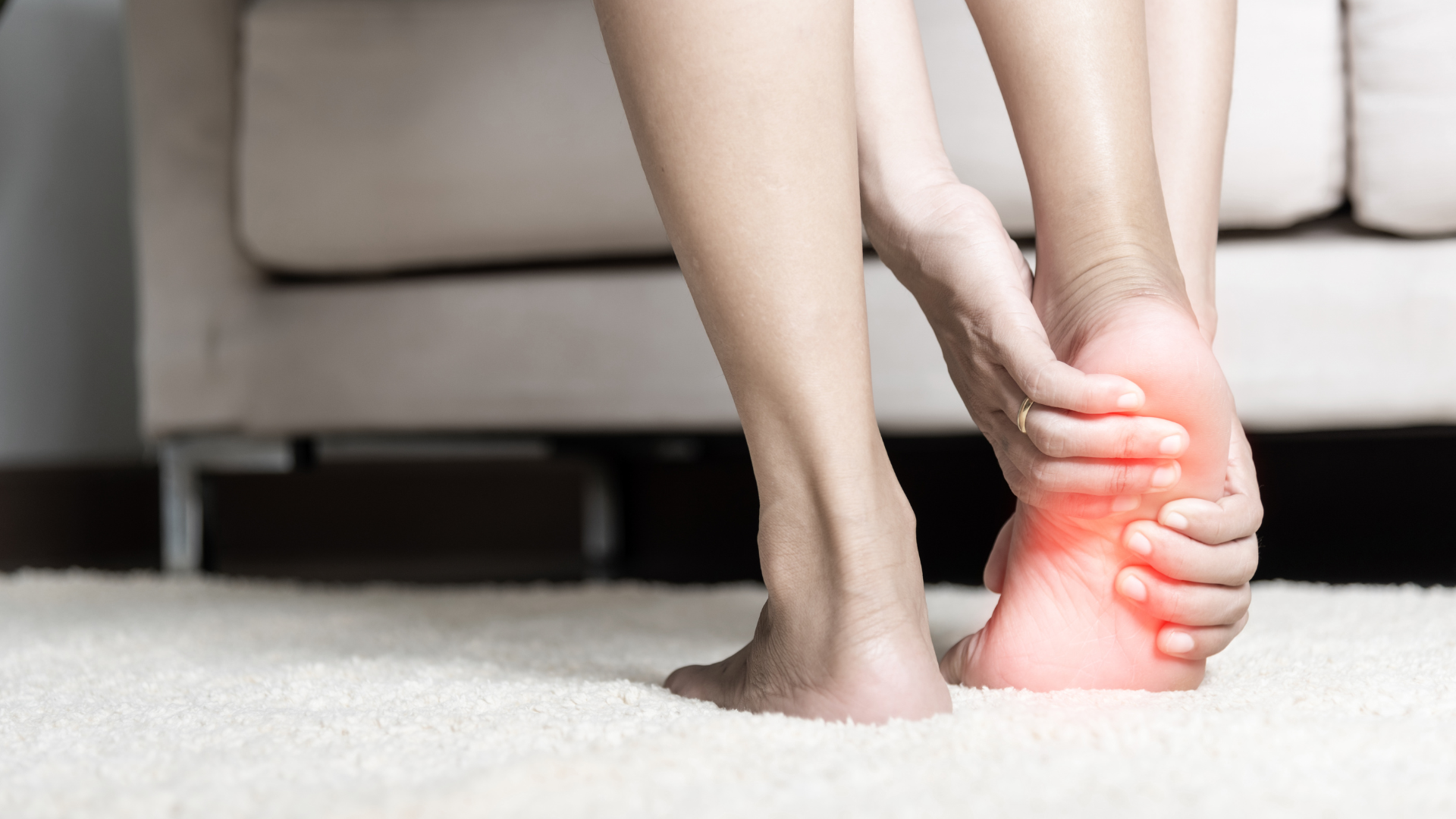
What Is Ankle & Foot Pain?
Ankle and foot pain refers to discomfort, stiffness, or reduced mobility anywhere in the foot or ankle — from the heel and arch to the toes and ankle joint. It can develop suddenly after an injury or gradually over time due to overuse, repetitive strain, or everyday activities.
Pain in this area can affect how you walk, stand, and move, often leading to compensation and strain in other parts of the body. Because the feet and ankles support your entire body weight, even minor issues can quickly become limiting if left untreated.
Causes of Ankle & Foot Pain
Ankle and foot pain can develop for many reasons, including:
- Sprains, strains, or fractures
- Sports injuries or accidents
- Overuse from running, walking, or standing for long periods
- Conditions like Plantar fasciitis or Achilles tendonitis
- Poor footwear or movement mechanics
Our team focuses on identifying the root cause of your pain so treatment is effective and long-lasting.
Common Ankle & Foot Pain Symptoms
You may benefit from treatment if you’re experiencing:
- Pain or tenderness in the ankle or foot
- Selling, stiffness or limited mobility
- Difficulty putting weight on the foot
- Ankle instability or repeated rolling
- Heel pain, especially with the first steps in the morning
Pinpoint the probably cause of your foot pain with this foot pain chart.
Big Toe – Bunions, hallux valgus
Bottom of heel/plantar fascia – plantar fasciitis
Lateral/Outer Ankle – ankle sprain, peroneal tendonitis, fracture
Base of the fifth toe – peroneal tendonitis, stress fracture
Inner Ankle – ankle sprain, tibialis posterior tendonitis
Ankle & Foot Pain Treatment
Physiotherapy plays a key role in recovery and may include:
- Comprehensive assessment of foot and ankle mechanics
- Manual therapy to reduce pain and improve joint mobility
- Strengthening and stability exercises
- Mobility and flexibility training
- Gait and movement retraining
- Education on activity modification and injury prevention
Chiropractic care may help address biomechanical and joint-related contributors to pain, including:
- Joint assessment and mobilization
- Improving alignment and movement patterns
- Addressing contributing issues in the lower limb or spine
Massage therapy supports recovery by targeting soft tissue restrictions and muscle tension:
- Reducing tightness in the foot, calf, and lower leg
- Improving circulation and tissue health
- Supporting pain relief and relaxation
All treatments are customized to your condition, goals, and activity level, and coordinated across our team when appropriate.
Frequently asked questions
Do I need imaging like X-rays or an MRI?
Not always. Many ankle and foot conditions can be diagnosed through a thorough clinical assessment. Imaging may be recommended if fractures or serious injuries are suspected.
Can ankle or foot pain heal on its own?
Some mild issues may improve with rest, but ongoing or recurring pain often benefits from guided treatment to prevent chronic problems.
Do I need a referral?
No referral is required to receive physiotherapy, chiropractic, or massage therapy services at Pursuit Physiotherapy.
Got Questions About Ankle and Foot Pain?
Custom Orthotics for Foot & Ankle Pain
For some conditions, custom orthotics can play an important role in relieving pain and preventing recurrence.
Custom orthotics are designed to:
- Improve foot alignment and biomechanics
- Reduce strain on muscles, joints, and tendons
- Provide proper support during daily activities and sports
- Help manage conditions like plantar fasciitis, flat feet, or chronic ankle pain
At Pursuit Physiotherapy, we assess whether orthotics are appropriate for your specific condition and lifestyle. When recommended, orthotics are combined with hands-on treatment and exercise for the best results.