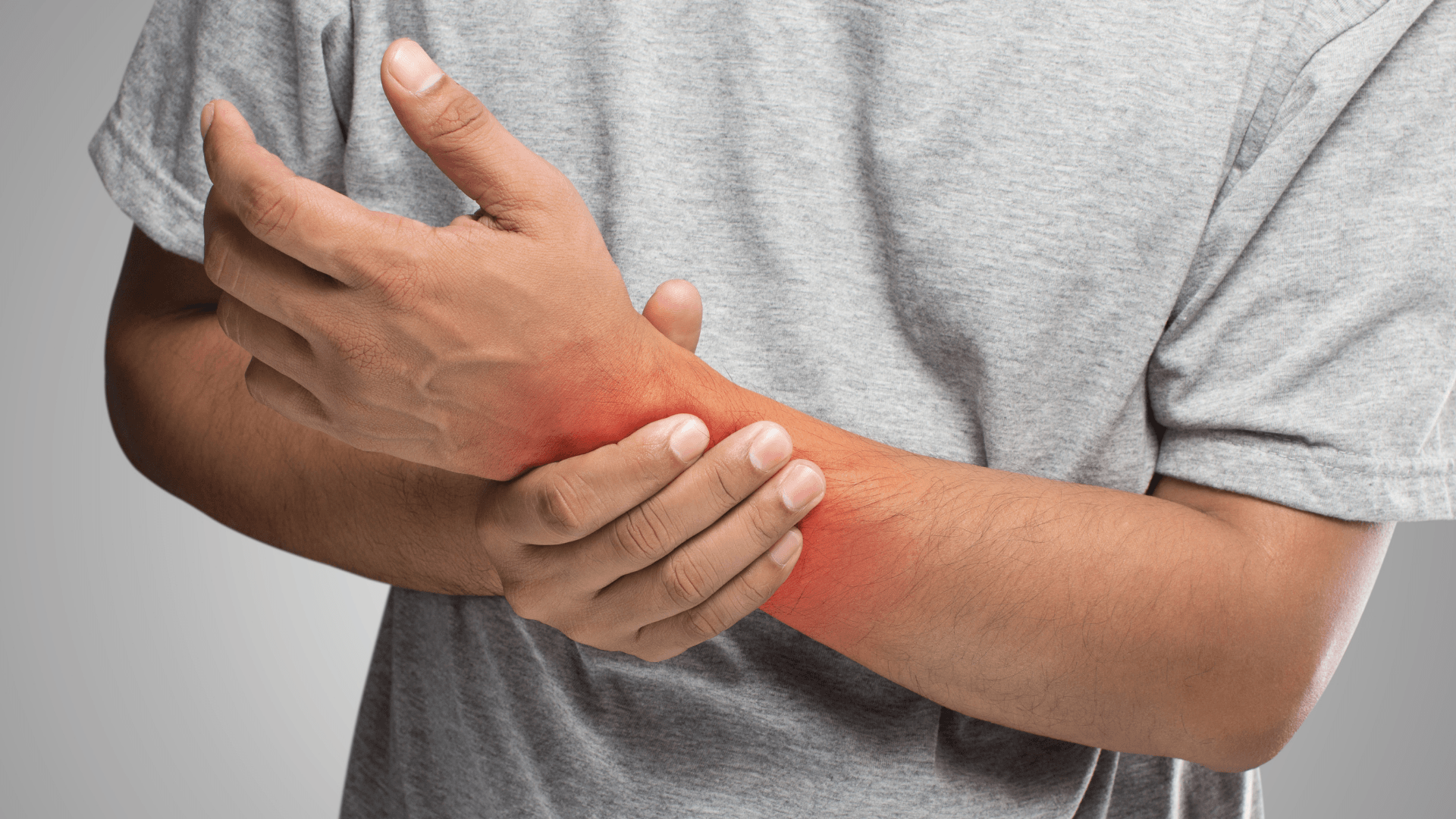

If your shoulder has slowly become stiffer, more painful at night, and harder to use overhead, you may be dealing with frozen shoulder. Understanding frozen shoulder causes—such as injury, surgery, or prolonged immobility—can help guide effective treatment, and physiotherapy in Victoria, BC can make a real difference in how quickly and fully you recover.
Is This Really “Just Something You Have to Wait Out”?
You reach up to grab something off a shelf in your kitchen near Hillside Ave and feel that familiar resistance — not quite pain at first, just a stubborn tightness that shouldn’t be there. Then the nights start getting difficult. Lying on that shoulder isn’t possible anymore. Getting dressed in the morning involves a new set of workarounds. You mention it to someone and they say, “Oh, frozen shoulder — yeah, that just takes time.”
They’re not entirely wrong. Frozen shoulder — known clinically as adhesive capsulitis — does follow a natural course. But “waiting it out” passively is not your best option, and it’s not what the evidence supports. In Victoria BC and at Pursuit Physiotherapy specifically, we take a different approach: one that actively works within each stage of the condition to reduce pain faster, restore range of motion sooner, and prevent the long-term stiffness that happens when the condition is mismanaged or ignored.
This article explains exactly what frozen shoulder is, what the three stages mean for your recovery, and what evidence-based physiotherapy looks like when it’s done well.
Understanding frozen shoulder causes (Adhesive Capsulitis)
Adhesive capsulitis is a condition where the connective tissue capsule surrounding the shoulder joint (the glenohumeral joint) becomes inflamed and progressively thickened and contracted. The result is a shoulder that loses range of motion in a characteristic, global pattern — external rotation goes first, followed by abduction and forward flexion.
The condition affects approximately 2–5% of the general population, with higher rates in people aged 40–65, in women compared to men, and in people with diabetes — who are up to five times more likely to develop it. Thyroid dysfunction and cardiovascular disease are also associated risk factors. Most of the time, frozen shoulder begins without any clear injury or cause (the “idiopathic” form), though it can also follow surgery, a fracture, or prolonged shoulder immobilization.
One of the most frustrating things about this condition is how long it can last if it’s not well managed. Traditional teaching suggested it resolves spontaneously in 1–3 years. More recent evidence tells us the picture is more complicated — many people are left with residual restriction and pain well beyond that window, particularly if they didn’t receive appropriate rehabilitation.
Research Stat: Adhesive capsulitis affects approximately 2–5% of the general population and occurs more frequently in individuals aged 40–65, in women, and in people with diabetes — who are up to five times more likely to develop the condition.
Source: Vita et al., Journal of Ultrasound, 2024. PMID: 38844748. DOI: 10.1007/s40477-024-00891-y.
The Three Stages of Frozen Shoulder
Understanding the stages matters because it shapes what type of physiotherapy is appropriate. Treating a stage 1 shoulder the same way as a stage 3 shoulder will produce poor results.
Risk Factors: Who Gets Plantar Fasciitis in Victoria?
Stage 1: Freezing (Pain-Dominant)
Duration: approximately 2–9 months.
This is the most painful phase. The shoulder is inflamed and the capsule is beginning to contract, but range of motion hasn’t been dramatically lost yet. Patients in this stage often have significant night pain and pain at the end of motion. Aggressive stretching during this stage can worsen inflammation and delay recovery. The goal here is pain management, gentle movement preservation, and education.
Stage 1: Freezing (Pain-Dominant)
Duration: approximately 2–9 months
This is the most painful phase. The shoulder is inflamed and the capsule is beginning to contract, but range of motion hasn’t been dramatically lost yet. Patients in this stage often have significant night pain and pain at the end of motion. Aggressive stretching during this stage can worsen inflammation and delay recovery. The goal here is pain management, gentle movement preservation, and education.
Stage 2: Frozen (Stiffness-Dominant)
Duration: approximately 4–12 months
Pain begins to subside — but stiffness becomes the primary problem. The capsule has contracted significantly and motion is globally restricted. Dressing, reaching behind your back, and any overhead activity are now difficult. This is the stage most people associate with frozen shoulder. Evidence supports manual therapy and progressive range-of-motion work in this phase.
Stage 3: Thawing (Resolution)
Duration: approximately 6–24 months
Motion gradually returns. Pain is usually minimal. This stage can be lengthy, and without targeted physiotherapy to restore full range, many patients plateau with residual restrictions that become permanent.
The research is clear: the earlier you begin structured physiotherapy, the better your outcome — particularly in preventing the full-blown frozen stage from fully developing.
Source: Vita et al., Journal of Ultrasound, 2024. PMID: 38844748. DOI: 10.1007/s40477-024-00891-y.
Why Physiotherapy Matters — What the Evidence Says
A 2024 systematic review examining muscle energy technique and joint mobilisation for frozen shoulder confirmed that structured manual therapy combined with exercise produces significant improvements in range of motion, pain, and functional ability in adults with adhesive capsulitis.
The key word in that sentence is “combined.” Neither manual therapy alone nor exercise alone performs as well as a structured, integrated program. Physiotherapy for frozen shoulder is not passive — it involves targeted joint mobilisation, progressive loading, neuromuscular re-education, and home exercise programming.
A 2024 study tracking patients with stage 1 and stage 2 adhesive capsulitis found that when hydrodistension was combined with targeted exercise rehabilitation, patients showed significant improvements in range of motion in all planes. Importantly, the study found that outcomes were substantially better in stage 1 — underscoring again why early intervention matters.
Active vs. Passive Therapy: What Makes the Difference
Here’s something many people don’t know when they come in for frozen shoulder: the evidence does not support passive electrotherapy treatments — ultrasound, IFC, TENS — as effective standalone interventions for this condition. These approaches can feel soothing in the moment but do nothing to address the capsular restriction or restore neuromuscular control.
At Pursuit, we don’t use these modalities. Not because we don’t have access to them, but because the evidence doesn’t support them as primary treatments — and our patients deserve better.
What we do use is active, structured rehabilitation:
- Stage-appropriate manual therapy:
Gentle glenohumeral mobilisation in stage 1, progressive capsular stretching and end-range mobilisation in stages 2 and 3 - Neuromuscular re-education:
Re-establishing the rotator cuff firing patterns that get disrupted when the shoulder is guarded and painful - Progressive home exercise programming:
Not generic handouts — targeted programs that change week to week based on your measured progress - Pain neuroscience education:
Understanding why frozen shoulder hurts the way it does (especially at night) significantly reduces distress and improves patient outcomes - Pursuit Philosophy:
“Quality care over quick fixes” means treating the frozen shoulder, not just the pain. We measure your range of motion at every session and adjust your program based on what the numbers actually show — not on how you felt last week.
How Physiotherapy and RMT Work Together for Frozen Shoulders
One of the things that makes care at Pursuit different is that our physiotherapists and registered massage therapists work from a shared clinical model. For frozen shoulder, this matters.
Here’s the clinical logic: frozen shoulder involves significant increases in protective muscle tone around the shoulder girdle. The body guards the painful joint by co-contracting the muscles around it — the upper trapezius, levator scapulae, pectorals, and posterior capsule tissues all tighten up in an attempt to splint the shoulder. This guarding makes manual therapy less effective because the joint isn’t moving freely to begin with.
This is where RMT plays a targeted role. Massage therapy directed at the periscapular muscles, posterior capsule, and cervicothoracic junction reduces protective tone before the physiotherapy session begins — essentially “preparing the ground” so that joint mobilisation and exercise can work more effectively. The physiotherapist then uses that window of reduced tone to work into restricted ranges and progress the capsular mobility work.
The Integration Principle: The RMT reduces protective tone; the physiotherapist drives the range-of-motion work. Together, they accomplish in one session what either discipline alone would take significantly longer to achieve. This isn’t double-billing — it’s a deliberate clinical sequence.*
Research supports the value of multimodal rehabilitation approaches for adhesive capsulitis. A 2023 survey of physiotherapists treating frozen shoulder found that combining manual therapy, exercise, and adjunct soft-tissue work reflects current best practice and produces superior outcomes compared to any single approach in isolation.
Our Approach to Frozen Shoulder
At Pursuit, every frozen shoulder patient starts with a thorough one-on-one assessment. No rushed 15-minute slots — your physiotherapist has the time to properly characterise your stage, measure your baseline range of motion in all planes, assess your rotator cuff, and understand the specific functional limitations that matter most to your life in Victoria.
From there, your care follows the Pursuit Process:
- Define Your Goal — Are you trying to get back to swimming at Elk Lake? Carry your grandkids? Sleep through the night without shoulder pain? Your goal shapes the entire program.
- Measure What Matters — Range of motion is measured in every plane at intake and at regular intervals throughout your care. We don’t guess at progress — we measure it.
- Personalized Pain Relief — Stage-appropriate manual therapy, dry needling for protective muscle tone if indicated, and education about pain mechanisms that reduce the anxiety that often makes frozen shoulder worse.
- Tailored Programming — Your home exercise program changes as your shoulder changes. You’re not getting a photocopied handout — you’re getting a program built around where you are right now and where you need to go next.
- Retest Metrics — Every 3–4 weeks, we formally retest your range in all planes, compare it to baseline, and update the plan. If something isn’t working, we change it — based on data, not intuition.
- Fitness For Life — Once your range is restored, the goal shifts. We address the strength deficits, the movement patterns, and the load capacity that will prevent this from recurring and keep your shoulder functioning well for years to come.
Realistic Expectations: What Recovery from Frozen Shoulder Actually Looks Like
Frozen shoulder recovery is rarely linear. Some weeks you’ll feel clear progress; others will feel like a plateau. This is normal — the biology of capsular remodelling doesn’t run on a predictable schedule.
What we won’t do is promise you a specific number of sessions or a guaranteed timeline. Recovery from adhesive capsulitis varies significantly based on your stage at presentation, how long you’ve had it, your underlying health conditions, and how consistently you engage with your home program.
What we do promise: a thorough initial assessment, honest communication about your stage and prognosis, a program that is updated based on objective measurements, and a team that is genuinely invested in your outcome — not just the next appointment.
Here’s what we know from the evidence: patients who begin physiotherapy early, who engage actively with their home program, and who receive stage-appropriate care consistently achieve better outcomes than those who wait and see. Your recovery is not predetermined. Early action changes the trajectory.
Book Your Plantar Fasciitis Treatment in Victoria
If you’re dealing with shoulder stiffness, night pain, or the characteristic loss of motion that comes with frozen shoulder, you don’t have to wait years to feel better. Evidence-based physiotherapy in Victoria BC can shorten each stage, reduce pain more quickly, and help you achieve a fuller recovery.
Pursuit Physiotherapy
102B–740 Hillside Ave, Victoria, BC
Free 60-minute parking directly outside. Transit accessible (Hillside Ave at Blanshard and Douglas St. bus stops).
No referral needed. Direct billing available to Canada Life, Pacific Blue Cross, Manulife, Sun Life, Desjardins, Empire Life, Greenshield and more.
References
-
Vita F, Pederiva D, Tedeschi R, et al. Adhesive capsulitis: the importance of early diagnosis and treatment. Journal of Ultrasound. 2024 Sep;27(3):579-587. PMID: 38844748. DOI: 10.1007/s40477-024-00891-y.
-
Effectiveness of Muscle Energy and Joint Mobilisation Techniques on Range of Motion, Pain and Functional Ability in Adults With Frozen Shoulder: A Systematic Review. PubMed ID: 39420459.
-
Rehabilitation in Subjects with Frozen Shoulder: A Survey of Current (2023) Clinical Practice of Italian Physiotherapists. PMC11265321. PMID: 39044183.