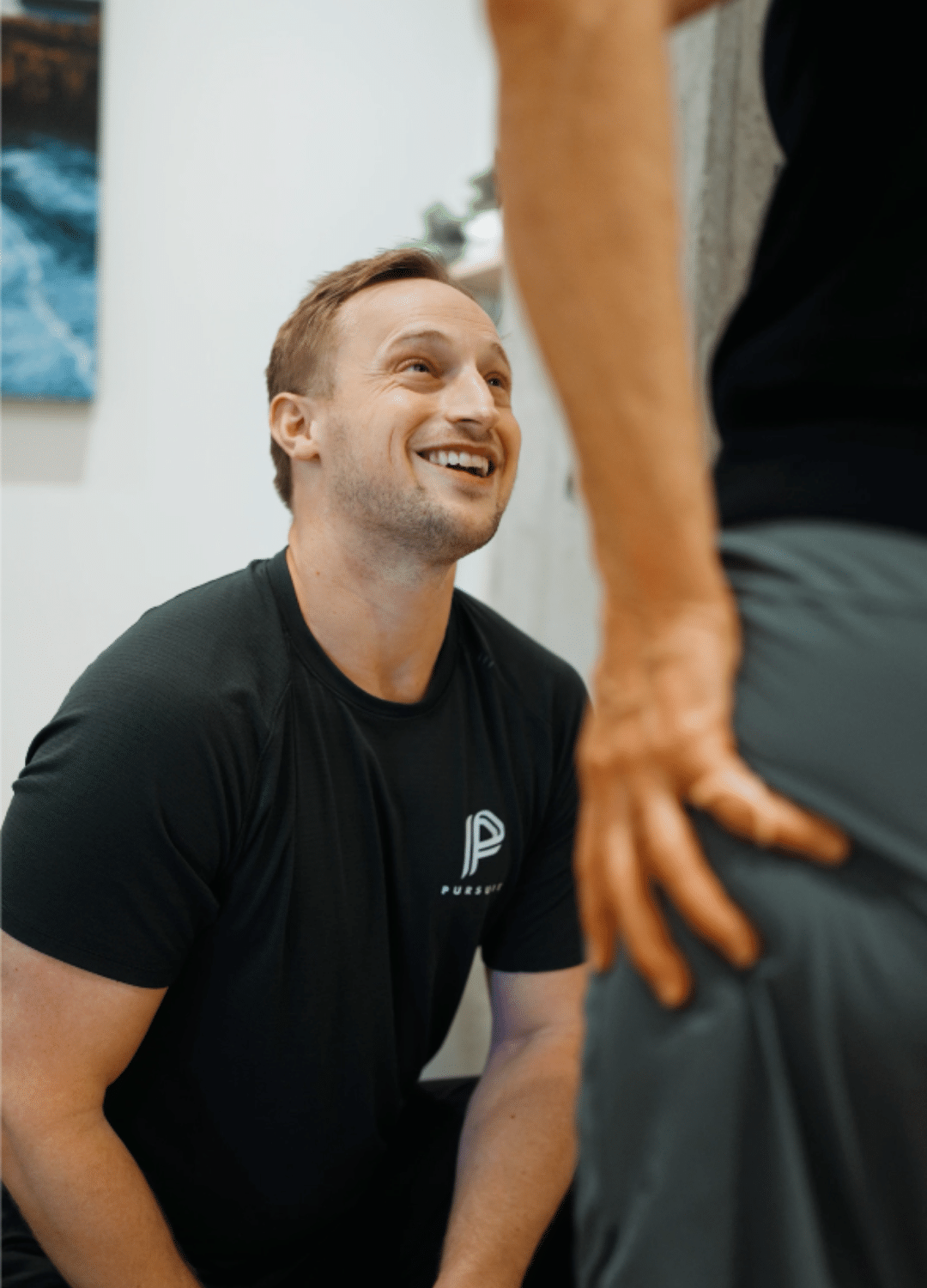
Running Assessments
A comprehensive assessment that gets you running your best.
Whether you are chasing a new personal best, returning to the pavement after time off, or trying to shake that persistent knee pain, your running journey is uniquely your own. There is no such thing as “perfect” form—but there is an optimal, efficient, and pain-free way for you to run.
Led by seasoned physiotherapists passionate about running, our Running Assessment is designed to uncover your unique running signature and provide actionable steps to keep you moving forward.
Who Is This For?
This 60-minute, deep-dive session is built for runners of all levels and focuses on three core pillars:
Prevention
Proactively identify biomechanical inefficiencies to stop injuries before they start.
Performance
Optimize your economy and mechanics to crush your running goals this year.
Treatment
Uncover the root cause of current running-related pain (like runner’s knee, Achilles issues, or shin splints) so you can get back to training.
The Deliverable: Your Custom Running Report
The value of this assessment extends far beyond your time in the clinic. All the advice in the world won’t help if you can’t remember it. That is why every assessment includes a highly detailed Running Report.
Your personalized portfolio includes:
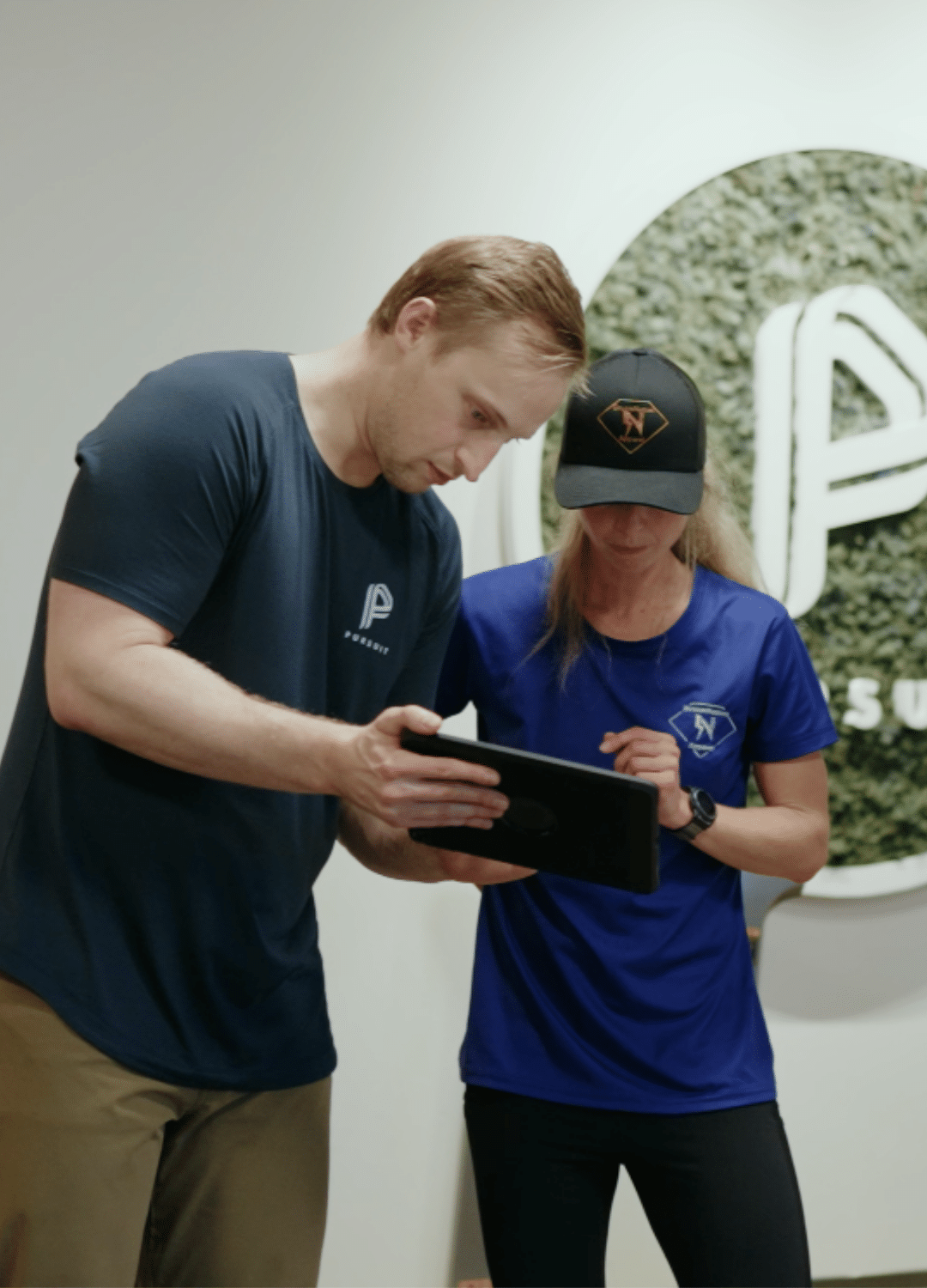
- Visual Form Breakdown: Annotated images of your running mechanics captured during your session.
- Metric Tracking: A clear analysis of your current cadence versus your target optimal cadence.
- Footwear Recommendations: Evidence-based guidance on whether your current shoes are helping or hindering your specific mechanics.
- Custom Training Plan: Clear next steps for load management, gait retraining cues, and progressive exercises.
Adaptation takes time, but with the right data and expert guidance, sustainable improvements are entirely within your reach.
Your Running Goals, Supported
Built around what you want from your running—so your assessment and plan actually move you forward.
Run Faster
Move more efficiently, generate more power, and pick up the pace—without working harder than you need to.
Run Longer
Build the strength and control to go the distance and finish your runs feeling strong.
Run without Pain
Reduce strain on your body with better mechanics, stability, and control—so running feels smoother and more comfortable.
Run for Health & Longevity
Keep running feeling good—now and for the long run—with movement that supports your body.
What to expect at your Running Assessment
We don’t just watch you run; we analyze the entire biomechanical picture to understand how your anatomy, history, and footwear interact.
The Deep Dive
We start by understanding you. We will discuss your current running goals, medical history, past injuries, and your detailed training program (including frequency, surface, speed, and weekly mileage). We will also conduct a thorough assessment of your current running shoes, analyzing wear patterns and engineering of your shoes to see how they impact your stride.
Clinical Assessment
Before you step on the treadmill, we evaluate your body’s specific capabilities. This includes:
- Targeted Strength Testing: Using a dynamometer for precise, objective measurements of your hip, knee, and calf strength.
- Mobility & Joint Health: Testing your range of motion from your lumbar spine down to your big toe.
- Functional Movement: It’s about more than just the components. Next we asses how your body moves through running motion, single-leg control, and bounding mechanics.
Treadmill Video Analysis
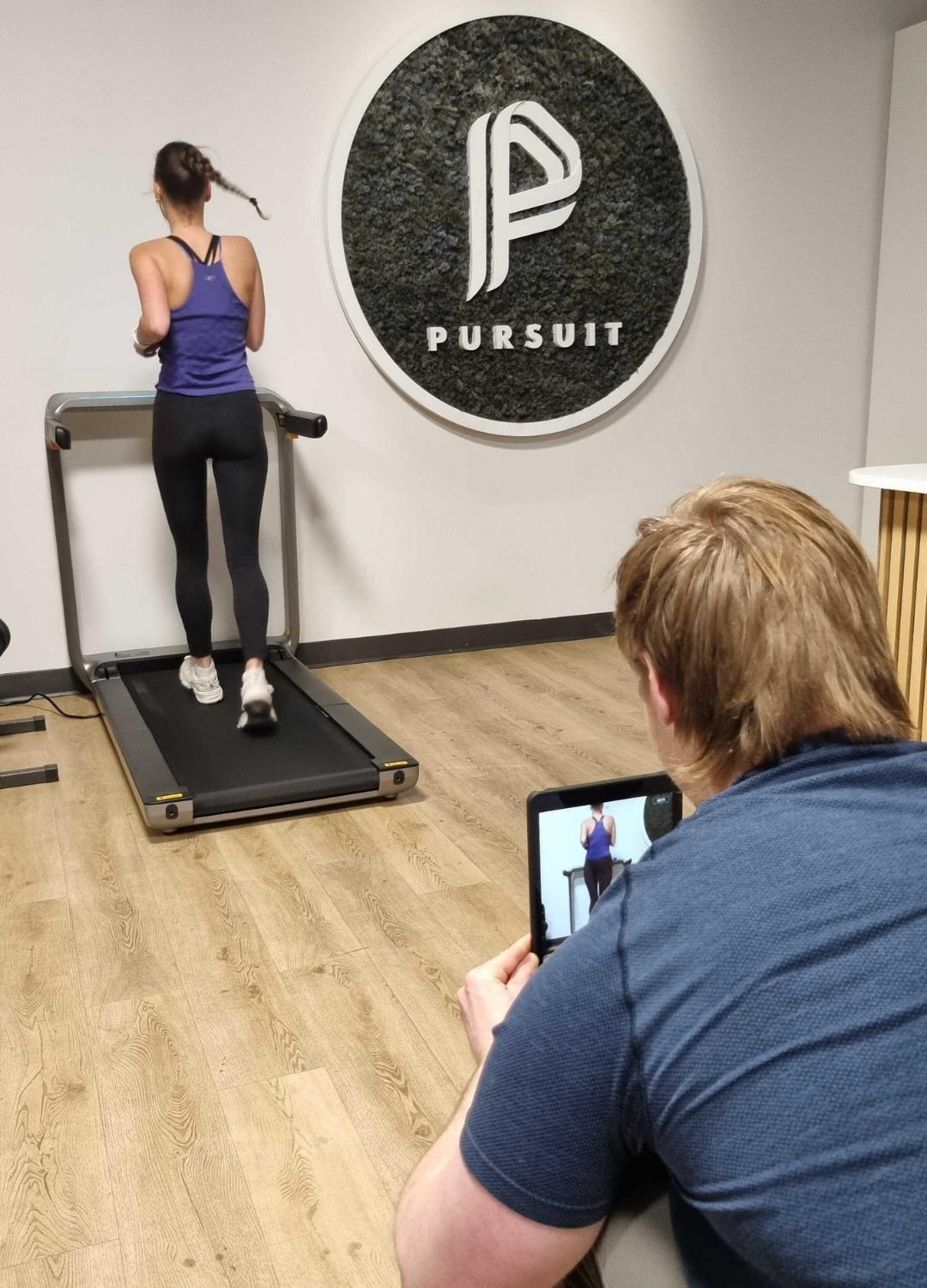
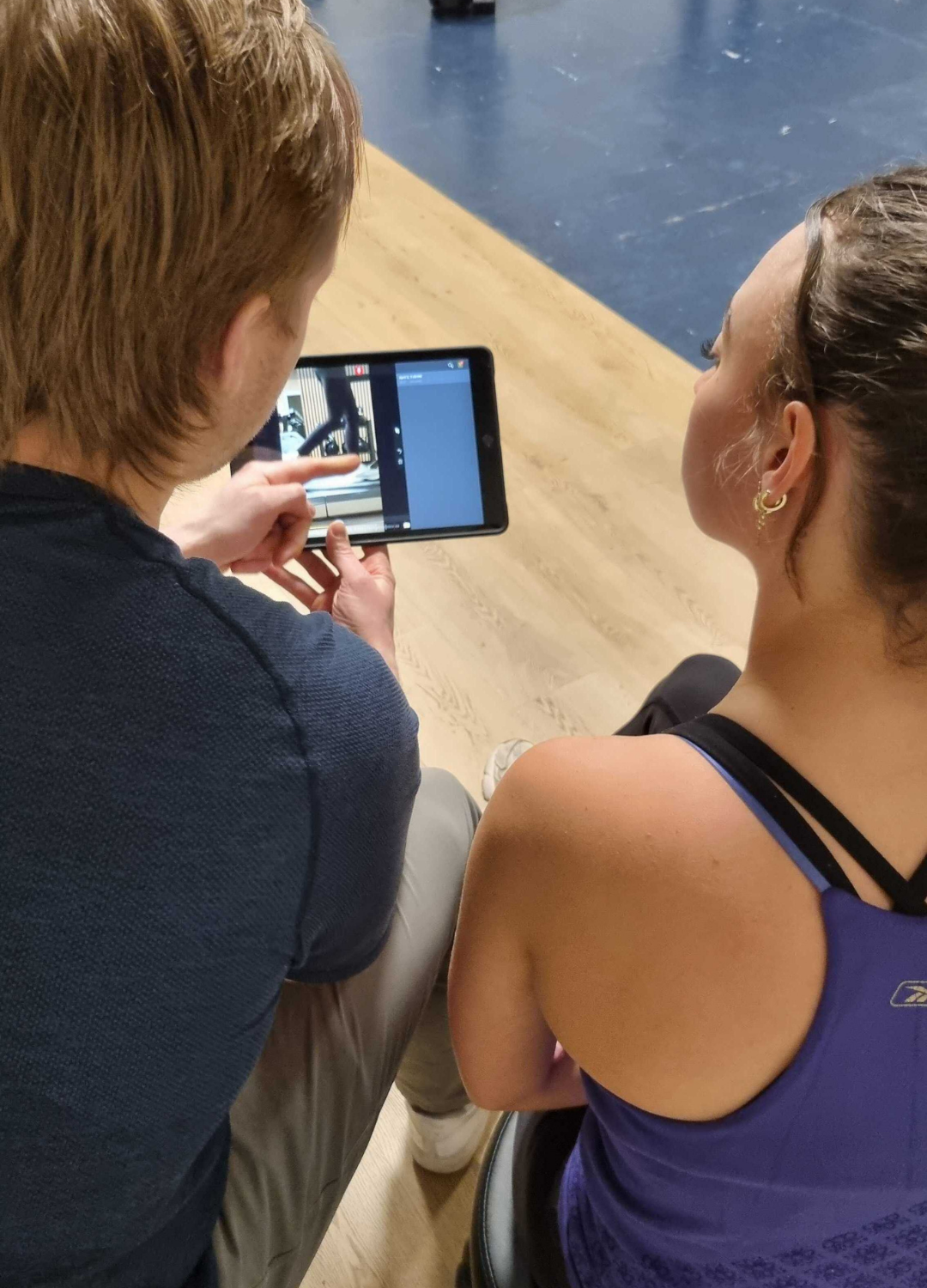
We will have you run at a comfortable, conversational pace. Using high-definition video analysis, we break down your form frame-by-frame from multiple angles (side, front, and back). We evaluate key metrics like your foot strike pattern, cadence (steps per minute), vertical displacement (“bounce”), and joint alignment.
Frequently Asked Questions about Running Assessments
Who can benefit from a running assessment?
Runners of all levels—especially if you’ve had pain, recurring injuries, or want to improve how you run and feel.
How does the video analysis work?
We film your running on a treadmill from multiple angles to break down your mechanics and spot inefficiencies.
What should I bring?
Bring your running shoes and any orthotics you use. Wear comfortable athletic clothing that lets you move easily.
I’m new to running—does this still make sense?
Absolutely. It’s a great way to build good habits early and avoid issues down the road.
Is this covered by insurance?
Yes—this is billed as a physiotherapy assessment and is typically covered under extended health plans (check with your provider to confirm).
Will I only need one session?
One session gives you clear insights and a plan to work on. Some runners choose follow-ups to track progress and refine their approach.