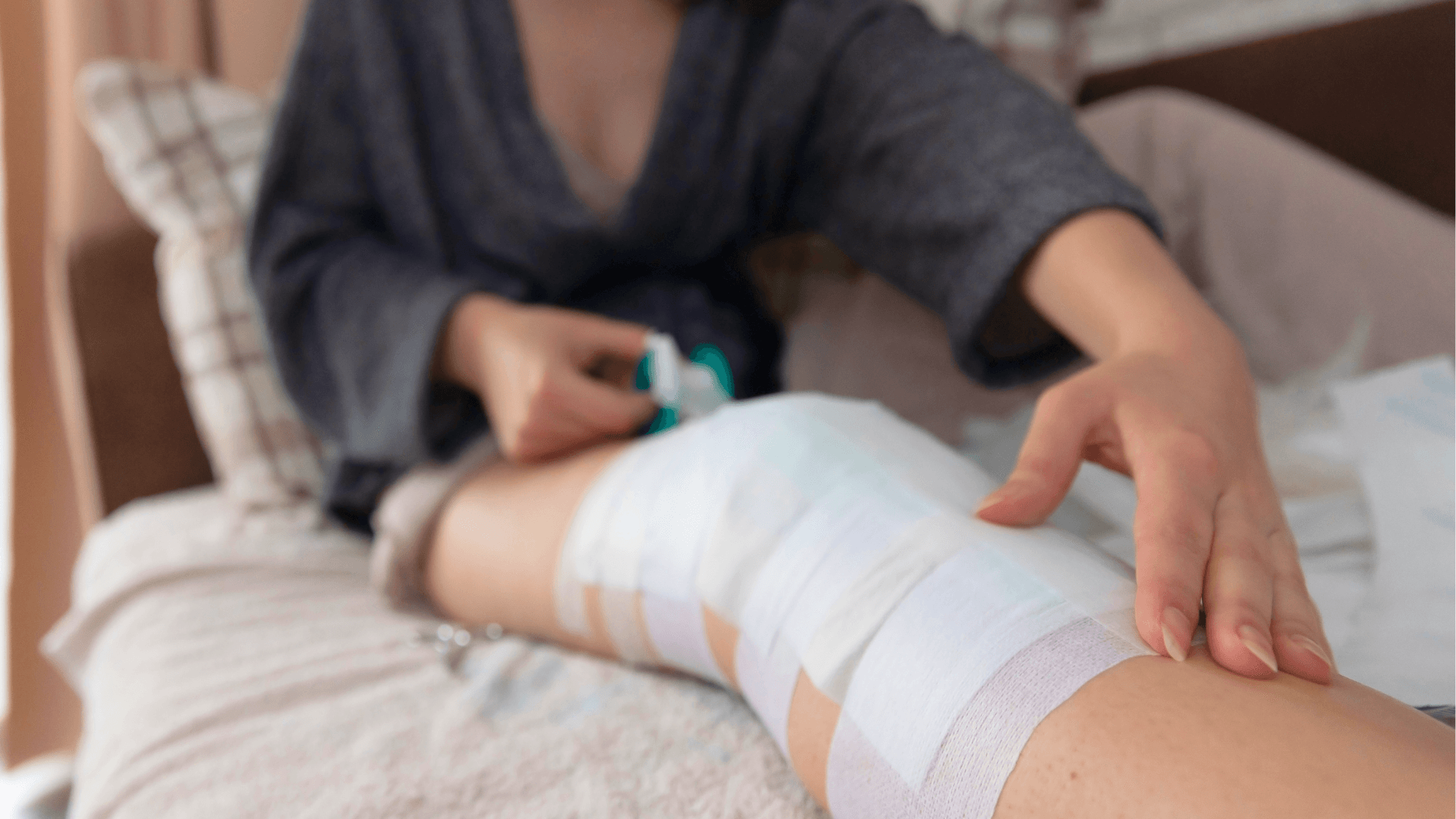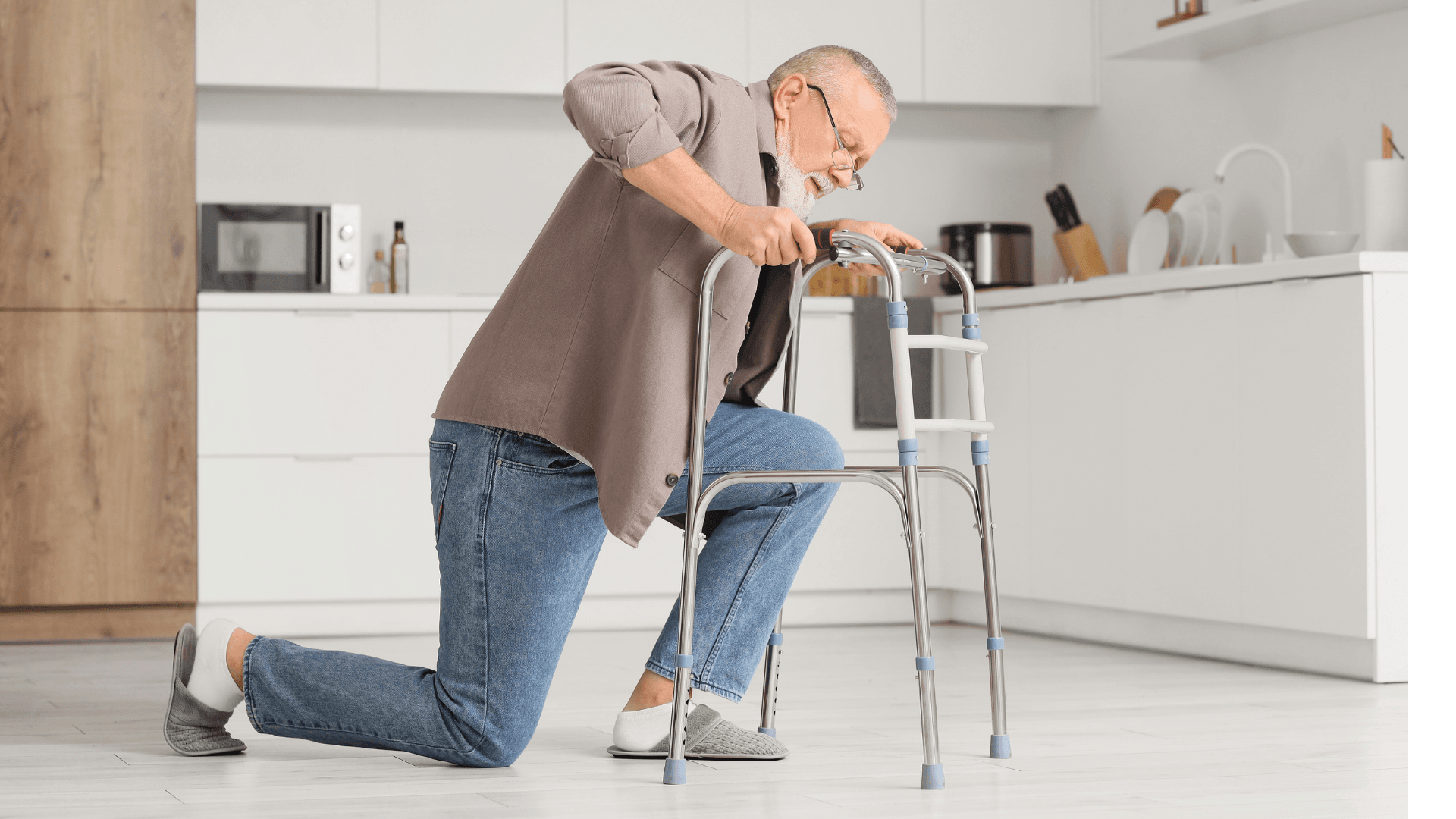
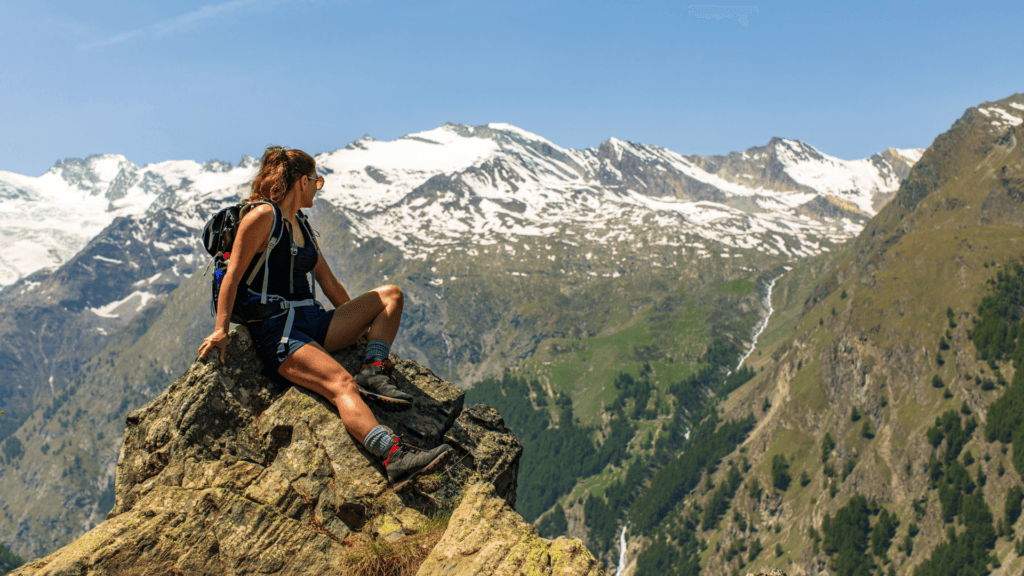
August is peak hiking season on southern Vancouver Island — and peak season for cranky knees, rolled ankles, and backs that seize up halfway down Mount Finlayson. Learn more about common hiking injuries, and how to keep yourself moving on the trails all season long.
The Season Every Victoria Hiker Waits For
This is the stretch of summer Victoria hikers plan their year around. The Juan de Fuca Trail is dry, the Coast Trail through East Sooke Park is at its best, Gowlland Tod’s ridgelines are baked golden, and on any clear evening you’ll find a steady stream of headlamps coming down from the summit of PKOLS (Mount Douglas). If you’re training for something bigger — the West Coast Trail or the Juan de Fuca in one push — August is when the long back-to-back days happen.
It’s also when we see common hiking injuries arrive at the clinic: knees that light up on descents, ankles rolled on loose ground, hips and backs that tighten under a loaded pack. The pattern is remarkably consistent, and so is the story behind it — a body asked to do more than it was recently prepared for.
The good news is twofold. First, common hiking injuries are among the most preventable injuries we see. Second, when they do happen, they respond well to structured rehab. Let’s walk through both.
Research Stat: In a systematic review of injury patterns among hikers, the lower limb was the most commonly injured body region in all seven hiking studies analyzed — with the ankle and knee leading the list.
Common Injuries We See in Most Victoria Hikers
Knee pain on descents
The single most common complaint. Going downhill, your quadriceps work eccentrically — lengthening under load to brake your body weight, step after step, often for an hour or more. The patellofemoral joint (kneecap) takes multiples of body weight with every downhill stride. If your quads and glutes aren’t conditioned for that braking work, the knee is where you feel it: an ache at the front of the knee that builds through the descent and grumbles on stairs for days afterwards.
Mount Finlayson is our local knee-pain factory — short, steep, and relentless on the way down. Notice that your knees complain more coming down than going up? That’s not a coincidence, and it’s not “just wear and tear.” It’s an eccentric capacity problem, and it’s trainable.
Ankle sprains
Roots, scree, and rocky shoreline are part of what makes Island hiking beautiful — and they’re exactly the terrain where lateral ankle sprains happen. Research on hiking populations finds ankle sprains concentrated on downhill slopes and loose ground, which describes half of East Sooke’s Coast Trail. A previously sprained ankle that never got properly rehabilitated is the biggest risk factor for the next sprain.
Hip and back pain under load
A multi-day pack changes everything. Hips, glutes, and spinal muscles that manage a day pack fine can fatigue under 15–20 kg, and fatigue changes movement — shorter strides, more trunk lean, more load on passive structures. The result is the familiar deep hip ache or the low back that stiffens overnight in the tent.
Shoulder and neck pain from pack load
Your legs aren’t the only things carrying the miles. A poorly fitted or heavily loaded backpack can leave the shoulders, upper back, and neck doing more work than they should. As fatigue sets in, hikers often shrug their shoulders, lean forward, or constantly adjust their pack, which can turn a long day into hours of neck and shoulder discomfort. Before a multi-day trip, make sure your pack fits properly, keep the heaviest items close to your back, and build up gradually with the weight you’ll actually carry on the trail.
Blisters, tendon flare-ups, and the “too much, too soon” family
Achilles and peroneal tendons, plantar fascia, IT bands — these structures tolerate the load they’re accustomed to. A sudden jump from weekend walks to a 25 km coastal day is the classic trigger. The tissue isn’t fragile; the ramp was just too steep.
Why Hiking Injuries Happen: Capacity vs. Demand
The old advice for a sore knee or a tweaked back was rest until it settles. The problem: rest settles symptoms while quietly lowering capacity, so the same trail produces the same pain a month later. Modern rehabilitation flips the model — settle the irritation briefly, then rebuild loading tolerance progressively until the demand of your hiking is comfortably inside your capacity again.
That’s the model at Pursuit. We don’t offer passive machine-based treatments; your plan is built from targeted strength work, graded return to trail time, manual therapy where it helps you move and load better, and honest load-management guidance week to week.
Evidence-Based Ways to Protect Yourself This Season
1. Build your descents, not just your climbs
Most hikers train by hiking uphill and treat the descent as the reward. Your knees experience it the other way around. Include eccentric quad work in your week: slow step-downs from a stair, downhill walking on Moss Rock or Mount Tolmie repeats, split squats with a controlled lowering phase. Start weeks before your big objective, not days.
2. Respect the ramp
The overuse injuries we see almost always follow a spike — a single day dramatically longer or steeper than anything recent. Build your longest day gradually, and treat pack weight as part of the load: adding 15 kg is a bigger jump than adding 5 km.
3. Take poles seriously — especially for descents
Trekking poles aren’t just for balance. A randomized trial of mountain walkers descending Snowdon found the group using poles had less muscle soreness, smaller strength losses, and lower markers of muscle damage in the days after the trek than the group without poles.
Worth flagging honestly: these are small trials, and the 2010 study is an older one — but the biomechanical logic and the trial data point the same direction, and poles are a cheap, low-risk intervention.
4. Rehab the ankle properly — the first time
If you roll an ankle on the trail, the sprain itself usually heals in weeks. What often doesn’t return on its own is balance, strength, and confidence on uneven ground — and that unfinished rehab is what sets up the re-sprain. Single-leg balance work on progressively unstable surfaces belongs in every hiker’s recovery, and in the training of anyone whose ankles have a history.
5. Don’t ignore the niggle
The ache that shows up at kilometre 15 and disappears overnight is information. The ache that shows up at kilometre 5 and lingers into the next morning is a trend. Trends are far easier to fix early — a two-week adjustment now beats a six-week layoff in September.
Pursuit Philosophy: We don’t tell Victoria hikers to hike less. Our job is to make you strong enough for the trails you love — measured, progressive capacity building so the Juan de Fuca is something you finish tired and happy, not limping.
Active Rehab vs. Rest: What Actually Works When You’re Injured
The old advice for a sore knee or a tweaked back was rest until it settles. The problem: rest settles symptoms while quietly lowering capacity, so the same trail produces the same pain a month later.
Modern rehabilitation flips the model — settle the irritation briefly, then rebuild loading tolerance progressively until the demand of your hiking is comfortably inside your capacity again.
That’s the model at Pursuit. We don’t offer passive machine-based treatments; your plan is built from targeted strength work, graded return to trail time, manual therapy where it helps you move and load better, and honest load-management guidance week to week.
How Physio, Chiro and Massage Therapy Work Together
Big training blocks leave their mark in muscle: calves, quads, and glutes that stay tight and heavy, backs that stiffen under pack load. At Pursuit, physiotherapy and registered massage therapy work from a shared plan — your physiotherapist leads the assessment, strength, and return-to-trail progression, your chiropractor can address mobility, joint mechanics, and musculoskeletal discomfort where appropriate, while your registered massage therapist targets the recovery side: soft tissue work through heavily loaded muscle groups between big weekends.
For hikers mid-season, that combination is practical: physio keeps the capacity building, chiropractic care can help address movement and joint-related issues, and massage keeps the training tolerable. Together, the goal is to help you stay active while building the strength and movement capacity needed for the trails you love.
Coverage varies by plan and provider, so check your extended health benefits for physiotherapy, chiropractic, and registered massage therapy coverage. Pursuit can also help with direct billing where available.
Realistic Expectations: What Progress Looks Like
Most trail-related overuse problems improve meaningfully within 4–8 weeks of structured loading — often while you keep hiking at a modified volume. Ankle sprains vary with severity: comfortable walking may return in days to weeks, but full confidence on technical terrain takes deliberate balance and strength work beyond that. And if you’re starting strength training for the first time, the injury-prevention benefit builds over months of consistency, not sessions.
No physiotherapist can injury-proof you — anyone who promises that is overselling. What the evidence supports is meaningfully shifting the odds: stronger tissues, smarter ramps, better landings.
Book a Balance Assessment at Pursuit
Whether you’ve noticed the first flicker of unsteadiness, you’re managing dizziness, or a recent fall has shaken your confidence — the right time for a balance assessment is now, while there’s the most to build on. It’s also a meaningful gift to arrange for a parent.
Pursuit Physiotherapy
📍 102B–740 Hillside Ave, Victoria, BC
🚗 Free 60-minute parking on site, and easily accessible by transit
📅 Book online: pursuitphysiotherapy.janeapp.com
📞 (250) 363-9707
✉️ info@pursuitphysiotherapy.ca
No referral needed — direct billing available to all major extended health insurers
References
- Types and anatomical locations of injuries among mountain bikers and hikers: A systematic review. PLOS One. 2023. DOI: 10.1371/journal.pone.0285614.
- Lauersen JB, Andersen TE, Andersen LB. Strength training as superior, dose-dependent and safe prevention of acute and overuse sports injuries: a systematic review, qualitative analysis and meta-analysis. British Journal of Sports Medicine. 2018;52(24):1557-1563. DOI: 10.1136/bjsports-2018-099078.
- Howatson G, et al. Trekking poles reduce exercise-induced muscle injury during mountain walking. Medicine & Science in Sports & Exercise. 2010. PubMed ID: 20473229.
- Trekking poles reduce downhill walking-induced muscle and cartilage damage in obese women. 2016. PubMed ID: 27313374.