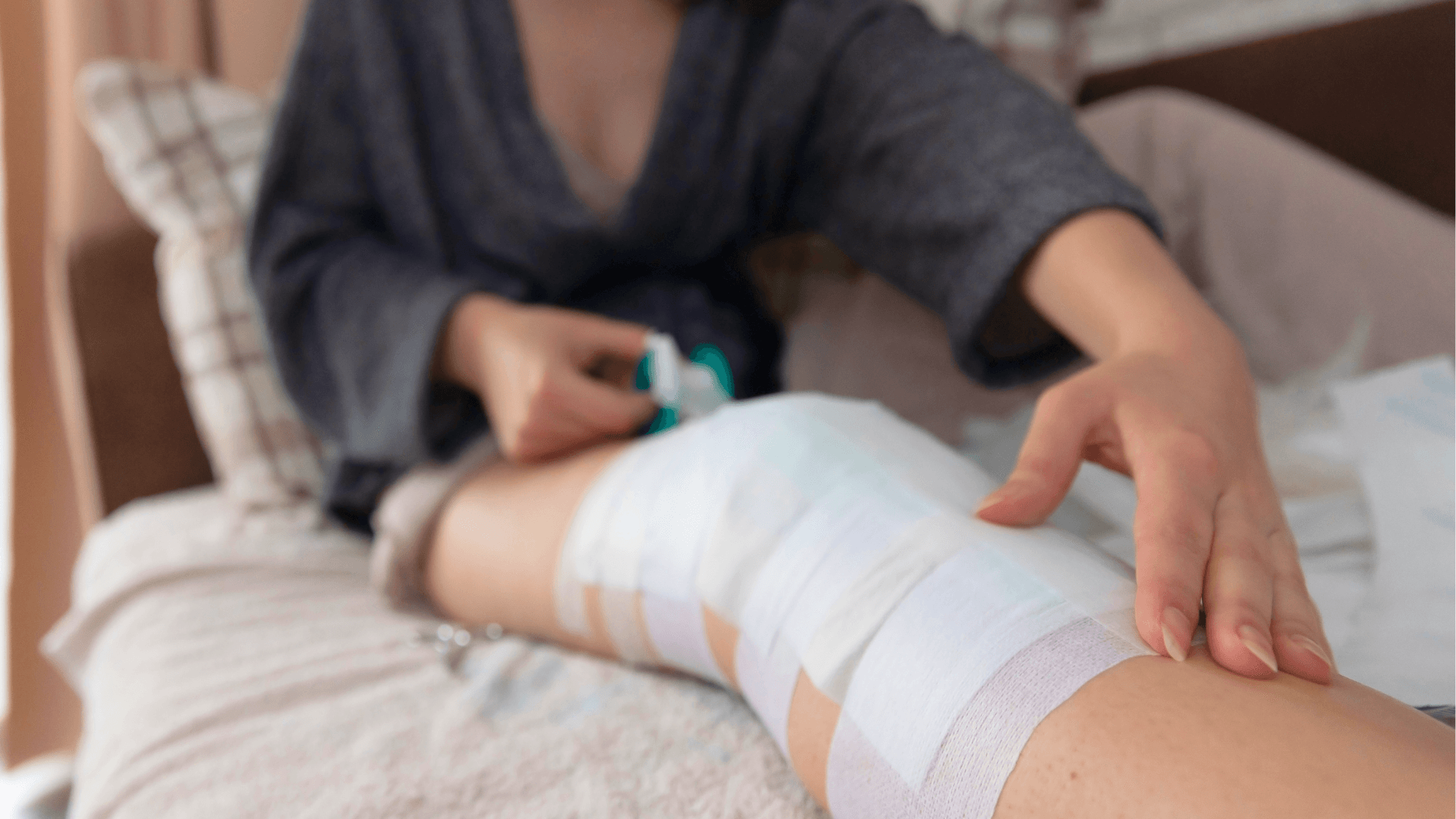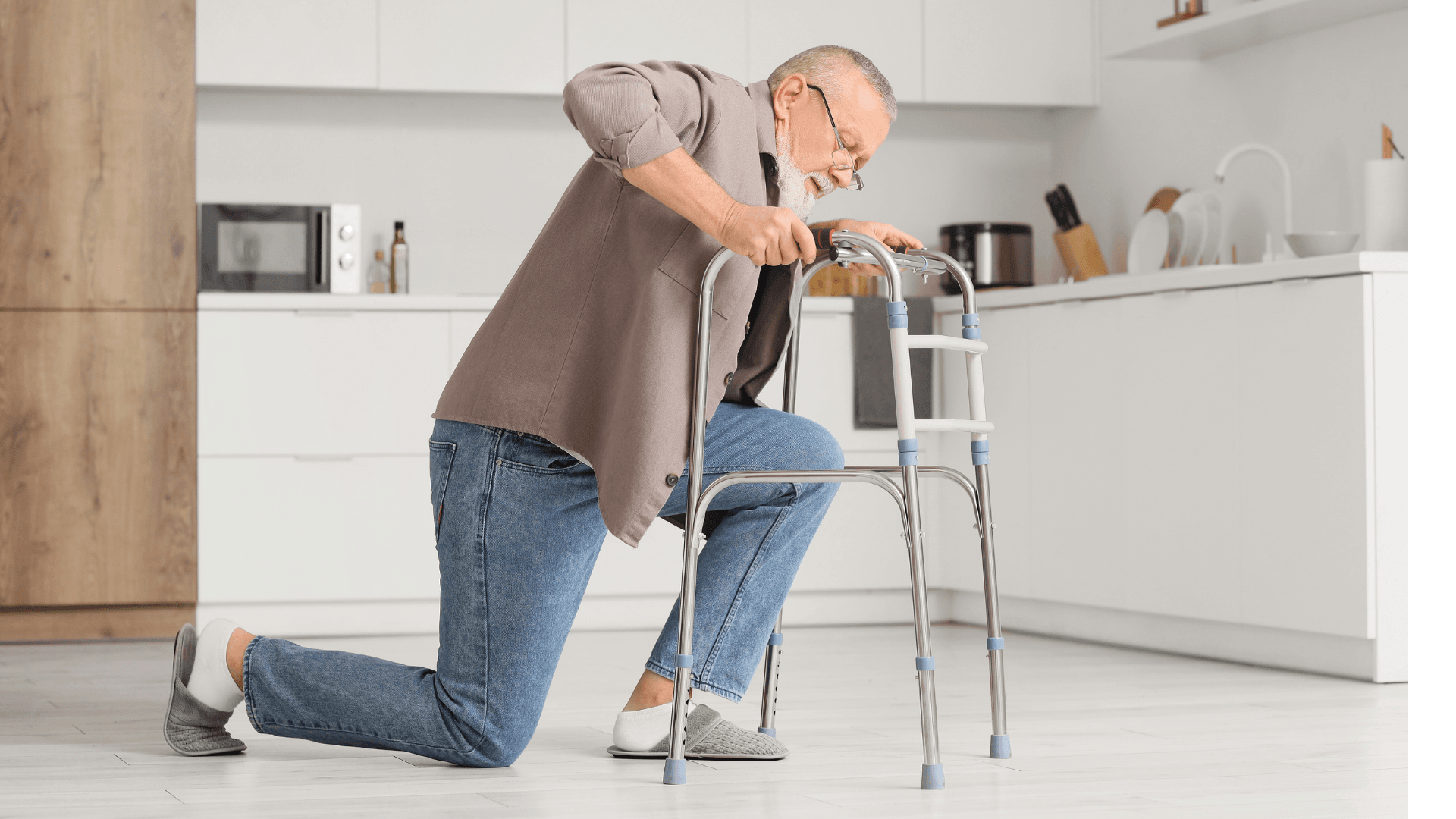
Most ACL rehab fails at the finish line, not the starting line. Here’s what the research says about when — and how — to return to sport safely after an ACL injury.
The Question Every ACL Patient Asks
“When can I play again?”
If you’ve torn your ACL — in a soccer match at Finlayson Turf, a ski day up-Island, a basketball league game, or a pickleball lunge that went wrong — this is the question that matters most to you. And it deserves a better answer than the one most people get, which is a vague “six to nine months.”
Here’s the uncomfortable truth from the research: the biggest mistakes in ACL recovery happen at the end, not the beginning. Surgery (when it’s needed) is usually successful. Early rehab usually goes fine. The danger zone is the return — going back to cutting, pivoting sport before your knee, your strength, and your confidence are actually ready.
Research Stat: Young athletes who returned to sport before 9 months after ACL reconstruction had a rate of new knee injury approximately 7 times higher than those who delayed their return. (Beischer et al., JOSPT, 2020. PubMed ID: 32005095)
That’s not a rounding error. Sevenfold. And it’s why ACL rehab at Pursuit is built around testing and criteria — not just the calendar.
Re-Injury: The Risk Nobody Talks About Enough
An ACL reconstruction rebuilds the ligament. It does not, by itself, rebuild the strength, control, and movement quality that protect it. In young athletes who return to pivoting sports, research has reported that roughly one in four sustains a second ACL injury — either the reconstructed knee or the other one.
Source: Wiggins et al., American Journal of Sports Medicine, 2016. PubMed ID: 26772611. (Landmark meta-analysis — flagged as older than 5 years; remains the standard reference for this figure.)
Why so high? Three reasons show up consistently in the literature: returning too early, returning with strength deficits (especially the quadriceps), and returning without meeting objective criteria of any kind.
The flip side is genuinely hopeful. In the Delaware-Oslo cohort study, athletes who delayed return until at least 9 months and passed objective return-to-sport criteria dramatically reduced their re-injury risk — the authors reported that re-injury risk fell by 51% for each month return was delayed up to 9 months, and that meeting simple discharge criteria cut re-injury risk by 84%.
Source: Grindem et al., British Journal of Sports Medicine, 2016. PubMed ID: 27162233.
A 2023 systematic review and meta-analysis in JOSPT (“Better Safe Than Sorry?”) reinforced the same conclusion: earlier return to sport is associated with higher second-injury risk, and time — combined with criteria — matters.
Source: Journal of Orthopaedic & Sports Physical Therapy, 2023. DOI: 10.2519/jospt.2023.11977.
Time Is Necessary. Time Is Not Sufficient.
But plenty of athletes reach nine months without being ready, because time passed and capacity didn’t. This is why criteria-based rehab beats calendar-based rehab. At minimum, modern return-to-sport testing looks at:
Quadriceps strength symmetry. Persistent quad weakness is one of the most consistent findings in athletes who struggle or re-injure. The common benchmark is at least 90% of the uninjured side.
Hop test batteries. Single hop, triple hop, crossover hop, and timed hop — again benchmarked at ≥90% symmetry — assess power, control, and the ability to accept load.
Movement quality under fatigue. Cutting, landing, and deceleration mechanics tend to look fine fresh and fall apart tired. Testing has to reflect sport, not just a quiet gym.
Psychological readiness. Fear of re-injury is one of the strongest predictors of not returning to pre-injury level. Validated questionnaires like the ACL-RSI help quantify confidence — because a hesitant athlete is a vulnerable athlete.
Pursuit Philosophy: We measure what matters. If a knee hasn’t been tested, it hasn’t been cleared — a date on a calendar is not a discharge criterion.
What Good ACL Rehab Looks Like, Phase by Phase
Phase 1 — Settle and protect (roughly weeks 0–6). The priorities are deceptively simple and frequently botched: get the swelling down, get the knee fully straight, and wake the quadriceps up. Full knee extension early is one of the most important predictors of a smooth recovery — a knee that can’t straighten changes how you walk, and everything downstream compensates.
Phase 2 — Rebuild strength (roughly months 2–5). This is the longest phase and the least glamorous: progressive, genuinely heavy lower-body strength work — squats, hinges, step patterns, calf and hamstring loading — because the quadriceps deficit doesn’t fix itself with bodyweight exercises. If your rehab never progressed past clamshells and mini-band walks, this phase was skipped.
Phase 3 — Reintroduce athleticism (roughly months 5–8). Running, jumping, landing, decelerating, changing direction — each introduced progressively and built under fatigue. This is where rehab starts looking like training, because it is.
Phase 4 — Test, return, and keep training (month 9+). Objective testing against the criteria above, a graduated return through practice before competition, and — critically — continued strength training after return. The knee that stops training the day it’s cleared starts drifting back toward risk.
Two practical notes. First, insurance coverage rarely spans a full ACL journey as weekly visits — and it doesn’t need to. A well-structured plan uses physio visits as checkpoints for progression and testing, with the work happening in your gym week. Second, if you’re rehabbing without surgery, the phases are the same; only the early timeline differs.
Do You Even Need Surgery for ACL Injuries?
Not every ACL tear needs reconstruction. Research over the past decade — including long-term follow-ups of structured rehab-first approaches — shows that a meaningful proportion of ACL-injured people can achieve good function with high-quality rehabilitation alone, with surgery held as a later option if the knee remains unstable. The right choice depends on your sport, your goals, your knee’s stability, and your timeline — a conversation worth having with both your physiotherapist and an orthopaedic specialist. What’s true either way: the quality of your rehab is a major driver of your outcome, surgical or not.
Active Rehab vs. Passive Treatment
There is no machine that rebuilds a quadriceps. Pursuit doesn’t use ultrasound, TENS, IFC, or laser — for ACL rehab the evidence is unambiguous that progressive strength and neuromuscular training is the treatment. Manual therapy and massage have a real supporting role in managing symptoms, swelling, and muscle tone along the way — but they are the supporting cast, never the plan itself.
How Physio, Chiro and RMT Work Together at Pursuit
Long ACL rehab journeys are hard on more than the knee. Our physiotherapists, chiropractor and registered massage therapists work from a shared model: progressive loading, testing, and return-to-sport progression; managing the hamstring, quad, and calf tone that comes with months of heavy training, and keeps the rest of you feeling human through a demanding year. One clinic, one plan, one goal.
Realistic Expectations: ACL Rehab Timeline
Expect 9–12 months for return to full, competitive pivoting sport after reconstruction — sometimes longer, occasionally a little less for lower-demand goals. Expect the middle months of ACL Rehab to feel unglamorous: it’s strength work, and it needs to be heavy and consistent. Expect testing before clearance, and expect us to tell you honestly if you’re not ready — because the research is clear about what happens to athletes who return before they are.
If you’re further along and were discharged after 12 physio visits with no testing — a common story — it’s not too late. Return-to-sport testing and a bridging program can be done at any stage.
One more expectation worth setting: motivation will dip. Around months four to six, the knee feels “fine” in daily life, the novelty is gone, and the temptation to coast — or to jump back into sport early — peaks. This is precisely when the research says the stakes are highest, and it’s when scheduled retest sessions earn their keep. Objective numbers showing you’re 82% of the way to a 90% strength target do something no pep talk can: they make the remaining work concrete, finite, and worth doing.
Book Your ACL Assessment at Pursuit
Whether you’re two weeks post-injury, three months post-op, or a year out and unsure if you’re actually ready to play — testing beats guessing.
Pursuit Physiotherapy
📍 102B–740 Hillside Ave, Victoria, BC
🚗 Free 60-minute parking on site, and easily accessible by transit
📅 Book online: pursuitphysiotherapy.janeapp.com
📞 (250) 363-9707
✉️ info@pursuitphysiotherapy.ca
No referral needed — direct billing available to all major extended health insurers
References
- Beischer S, Gustavsson L, Senorski EH, et al. Young athletes who return to sport before 9 months after anterior cruciate ligament reconstruction have a rate of new injury 7 times that of those who delay return. Journal of Orthopaedic & Sports Physical Therapy. 2020;50(2):83–90. PMID: 32005095. DOI: 10.2519/jospt.2020.9071.
- Grindem H, Snyder-Mackler L, Moksnes H, Engebretsen L, Risberg MA. Simple decision rules can reduce reinjury risk by 84% after ACL reconstruction: the Delaware-Oslo ACL cohort study. British Journal of Sports Medicine. 2016;50(13):804–808. PMID: 27162233.
- Better Safe Than Sorry? A systematic review with meta-analysis on time to return to sport after ACL reconstruction as a risk factor for second ACL injury. Journal of Orthopaedic & Sports Physical Therapy. 2023. DOI: 10.2519/jospt.2023.11977.
- Wiggins AJ, Grandhi RK, Schneider DK, Stanfield D, Webster KE, Myer GD. Risk of secondary injury in younger athletes after anterior cruciate ligament reconstruction: a systematic review and meta-analysis. American Journal of Sports Medicine. 2016;44(7):1861–1876. PMID: 26772611.