Victoria is one of Canada’s great cycling cities — but long hours in the saddle can lead to overuse injuries. Here’s what the research says about the most common cycling injuries and how cycling injuries physiotherapy in Victoria BC helps cyclists recover, prevent setbacks, and keep riding comfortably.
A Cycling City Has Cycling Aches
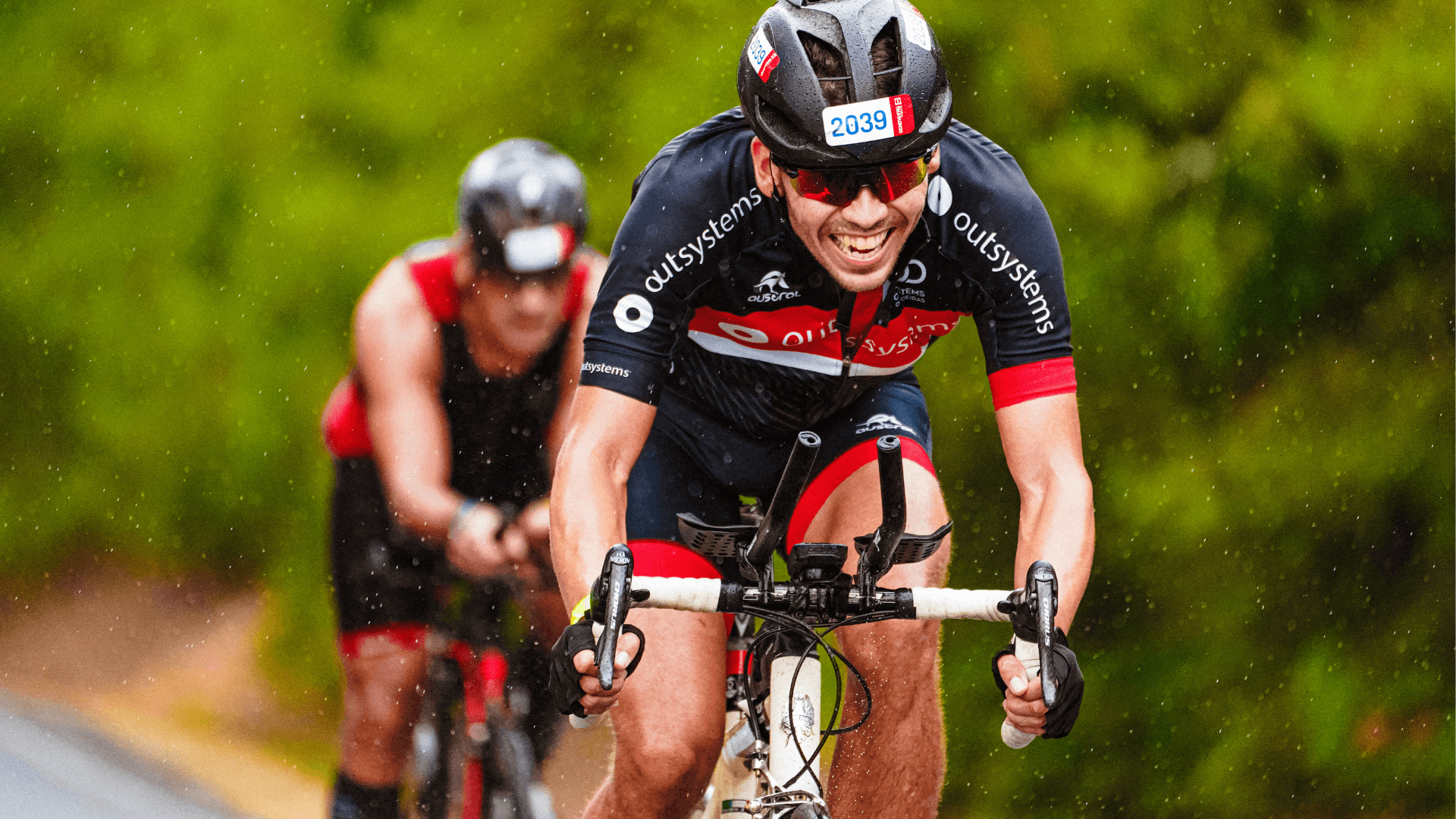
Few places ride like Victoria. The Galloping Goose and Lochside trails carry commuters and weekend riders year-round, the climbs around the Highlands and Mount Doug draw the road crowd, and bike commuting is woven into daily life here in a way it simply isn’t in most of the country. All that riding is fantastic for your health. It also loads the same tissues in the same positions, hour after hour — and that’s where cycling injuries come from.
Most cycling injuries aren’t dramatic crashes. They’re the slow-building aches of overuse: a low back that stiffens on longer rides, a knee that nags on the climbs, a neck that aches from holding your head up, or hands that go numb on the drops. These are mechanical problems with mechanical solutions — which is exactly why physiotherapy helps.
At Pursuit Physiotherapy on Hillside Ave, we see cyclists across the spectrum: bike commuters, gravel riders, roadies chasing segments, and people who just bought an e-bike and are suddenly riding a lot more than their body is used to. Let’s look at what the evidence shows and what to do about it.
RESEARCH STAT: In a study of professional road cyclists, 58% reported low back pain in the previous 12 months, and 41% had sought medical attention for it — making the low back one of the most common complaints in the sport.
Source: Clarsen B, et al. Overuse injuries in professional road cyclists. American Journal of Sports Medicine, 2010. PubMed ID: 20847225.
Most Common Cycling Injuries Cyclists Actually Get
Because cycling is a low-impact, seated, repetitive sport, its injuries cluster in a few predictable areas — driven by sustained posture and pedalling load rather than by sudden trauma.
RESEARCH STAT: Across studies of cyclists, the most frequently reported complaints are low back pain (around 29%), hand and finger numbness (around 21%), knee pain (around 20%), and neck pain (around 14%) — with the knee, lower back, and neck consistently ranked as the top overuse sites.
Low Back Pain
The single most common cycling complaint. Holding a forward-flexed spine for long stretches, especially with a reach that’s too long or too low, loads the lower back and the muscles that support it. Riders who lack hip mobility often compensate by rounding through the low back, concentrating the load exactly where it hurts.
Knee Pain
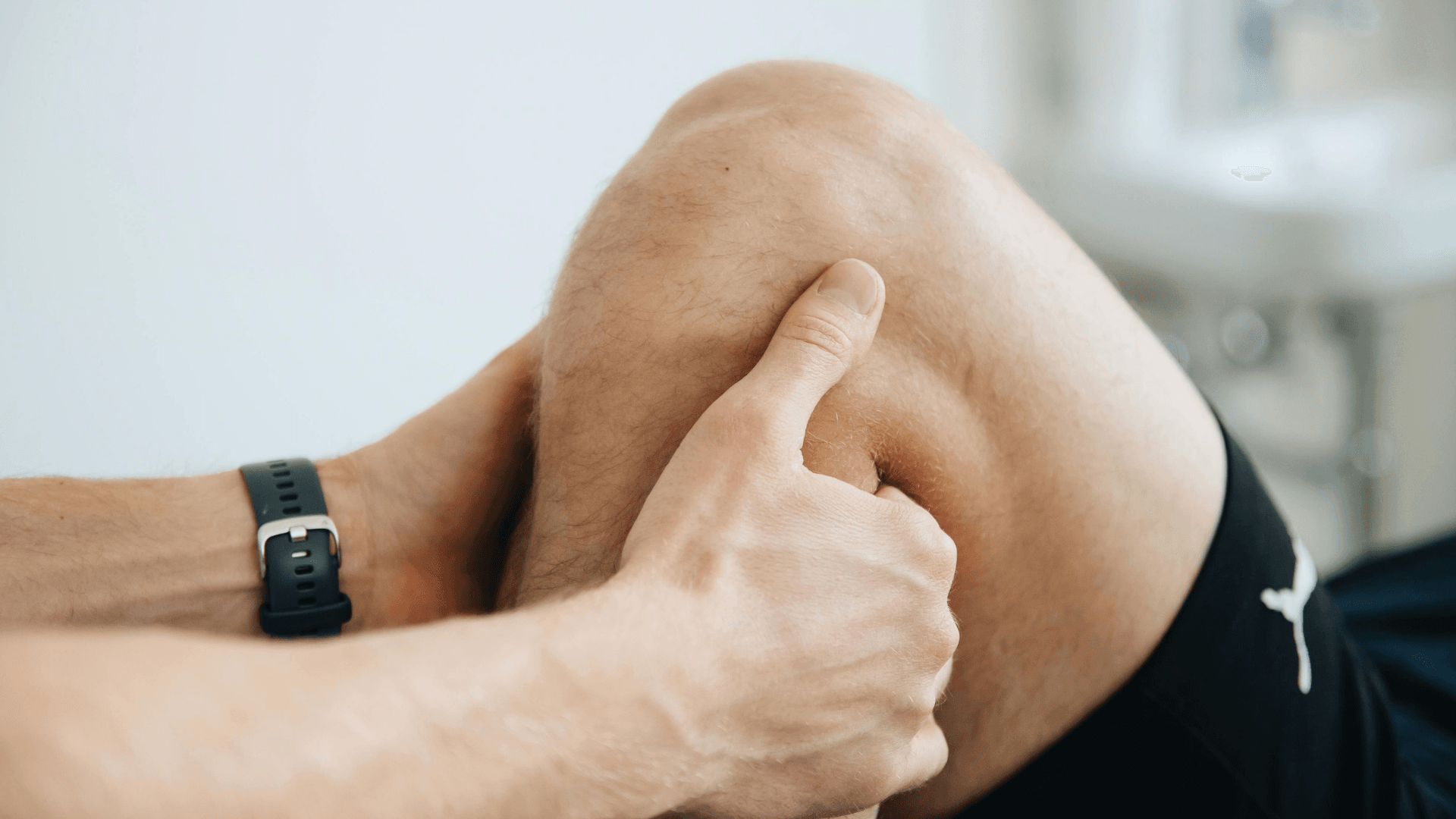
The knee bends and straightens thousands of times per ride, so small issues in position or load add up fast. Pain at the front of the knee (around the kneecap) is the classic pattern, often linked to saddle height, cleat position, or a rapid jump in training volume. Pain at the outside of the knee can point to the iliotibial band.
Neck and upper back Pain
Holding your head up to see the road while your torso is bent forward puts sustained demand on the neck extensors and upper back. On longer rides this becomes a deep, fatiguing ache — sometimes tipping into headaches.
Hand and finger numbness
Leaning weight through your hands compresses nerves at the wrist and palm, producing pins-and-needles or numbness — often in the ring and little fingers (handlebar palsy) or the thumb side. It usually eases with position and load changes, but persistent numbness deserves assessment.
Why Cycling Injuries Happen — Load, Position, and Capacity
Two forces drive nearly every overuse cycling injury: how much you ride, and the position you ride in. Ramp up your volume faster than your tissues can adapt — a new e-bike, a big training block, a sudden gravel obsession — and something starts to complain. That’s the familiar Pursuit principle: injuries appear when load outpaces capacity.
Position matters too, but with an important nuance. Bike fit clearly influences comfort, and adjusting saddle height, reach, and cleat position often reduces symptoms meaningfully. But the evidence is more measured than the marketing: research shows a moderate relationship between overall load and symptoms, while many of the specific measurements traditionally used in bike fitting have only a modest, uncertain link to injury. In other words, fit is a genuinely useful lever — but it’s not a magic geometry that eliminates injury on its own.
RESEARCH STAT: A systematic review on bike-fitting and low back pain found that while evidence for individual fit measurements is mixed, every included study reported significant reductions in low back pain or discomfort following an individualized bike fit.
Source: Effects of Bike-Fitting on Lower Back Pain in Cyclists: a Systematic Review, 2024. PMC12907770.
The most durable solution combines both levers: sensible load progression and a reasonable fit on the bike, plus building the off-bike capacity — hip mobility, core and back endurance, and strength — that lets your body tolerate the position in the first place. Adjusting the bike helps. Building the rider is what lasts.
Cycling Injuries: Why Active Treatment Works Better Than Passive Care
When a cycling ache sets in, the tempting move is a passive fix — something done to you while you rest. But for overuse cycling injuries, that often misses the bigger picture. The issue is usually a mismatch between the demands of riding and what your body can currently tolerate.
You won’t find ultrasound, TENS, IFC, or laser machines at Pursuit. That’s a deliberate, evidence-based decision — not a gap in our services. Effective cycling injuries physiotherapy focuses on addressing the factors that actually drive pain: load management, targeted mobility, strength development, and — where relevant — practical bike position adjustments. The goal isn’t temporary relief from a machine; it’s building the capacity to ride longer, stronger, and more comfortably.
PURSUIT PHILOSOPHY: Quality care over quick fixes. Your back didn’t become stiff because it was missing a machine — it stiffened because it was asked to hold a demanding position longer than it was prepared for. We adjust the demands placed on your body and rebuild capacity, so you can return to the rides you enjoy with confidence.
Active care for a cycling injury at Pursuit starts by identifying the true driver — whether that’s bike position, training load, mobility restrictions, or strength deficits — and creating a plan around it. That may include improving mobility where you’re limited, building endurance and strength where you’re lacking, and providing practical guidance on how you’re positioned and loaded on the bike. Hands-on techniques can support recovery, but they don’t replace the active work needed for lasting results.
Injured in a Crash? Cyclists and ICBC
Not every cycling injury is overuse. Victoria’s roads mean collisions happen — and if you were struck by a vehicle while riding, physiotherapy at Pursuit is covered under ICBC.
ICBC FAST FACT: If you’re a cyclist injured in a crash involving a motor vehicle, ICBC Enhanced Care generally covers your rehabilitation — pre-approving 25 physiotherapy sessions in the first 12 weeks. No physician referral is required, and Pursuit direct-bills ICBC, so there’s no cost to you at the point of care. Starting treatment early matters, both clinically and for your claim.
We don’t give legal or claims-adjudication advice, but our front desk can walk you through the logistics and current coverage details so you can focus on recovering.
How Physio and RMT Work Together for Cyclists
At Pursuit, physiotherapy and registered massage therapy operate from a shared model, and a cyclist’s stiff back or aching neck is a great example of why that matters.
Your physiotherapist leads the plan: identifying the driver of your symptoms, assessing hip mobility and trunk endurance, building the mobility and strength program, and giving practical position and load guidance to reduce the aggravating demand.
Your RMT prepares the ground. Skilled soft-tissue work can ease the chronically loaded muscles of the low back, neck, and shoulders that long rides leave tight, improve circulation, and create a comfortable window in which the mobility and strengthening work is more effective.
The Integration Principle:
The RMT releases the chronically loaded tissue; the physiotherapist rebuilds the mobility and endurance that keeps it from re-tightening. One opens the window, the other keeps it open. Together they get you back to comfortable riding faster than either alone.
Realistic Expectations: What to Expect From Cycling Injuries Physiotherapy
Here’s the honest part: cycling injuries physiotherapy can be highly effective, but recovery timelines vary depending on how long the problem has been developing and what factors need to change — whether that’s bike position, training load, mobility, strength, or a combination of all four.
Progress isn’t always linear, and a single adjustment rarely solves everything. Some cycling injuries improve quickly once the aggravating factors are addressed, while others require several weeks of consistent strengthening and gradual exposure to riding demands before they fully settle.
We won’t promise a specific number of sessions or a guaranteed recovery date — anyone who does is guessing. What we do provide is a thorough assessment, honest communication about what’s driving your symptoms, an evidence-based and individualized treatment plan, and a coordinated team approach so you always understand your next step.
Ready to Ride Comfortably Again
If cycling around Victoria has left you with a stiff back, a nagging knee, an aching neck, or numb hands, you don’t have to accept it as the price of riding. An accurate assessment and a targeted plan are the fastest route back to comfortable kilometres.
Pursuit Physiotherapy
📍 102B–740 Hillside Ave, Victoria, BC
🚗 Free 60-minute parking on site, and easily accessible by transit
📅 Book online: pursuitphysiotherapy.janeapp.com
📞 (250) 363-9707
✉️ info@pursuitphysiotherapy.ca
No referral needed — direct billing available to all major extended health insurers
References
Clarsen B, Krosshaug T, Bahr R. Overuse injuries in professional road cyclists. American Journal of Sports Medicine. 2010;38(12):2494–2501. PubMed ID: 20847225.
Factors associated with overuse injury in cyclists: a systematic review. Journal of Science and Medicine in Sport. 2021.
Effects of Bike-Fitting on Lower Back Pain in Cyclists: a Systematic Review. 2024. PMC12907770.