A straight, evidence-based look at RMT Victoria care — what registered massage therapy genuinely helps, what it doesn’t, and why massage therapy works best alongside active rehabilitation at Pursuit.
Massage feels good. That much isn’t in question. But if you’re searching for an RMT in Victoria or investing time and money into registered massage therapy, you probably want to know something more useful: does it create lasting change, or is it simply an hour of temporary relief?
We’re an evidence-based clinic, so we’ll give you the real picture — the benefits, the limitations, and where the research is strongest. Here’s what the evidence says about massage therapy and how our RMT Victoria team uses hands-on treatment to help you move better, recover from injury, and build lasting results — not just feel better for a short time.
What an RMT Victoria Actually Does: Understanding Registered Massage Therapy
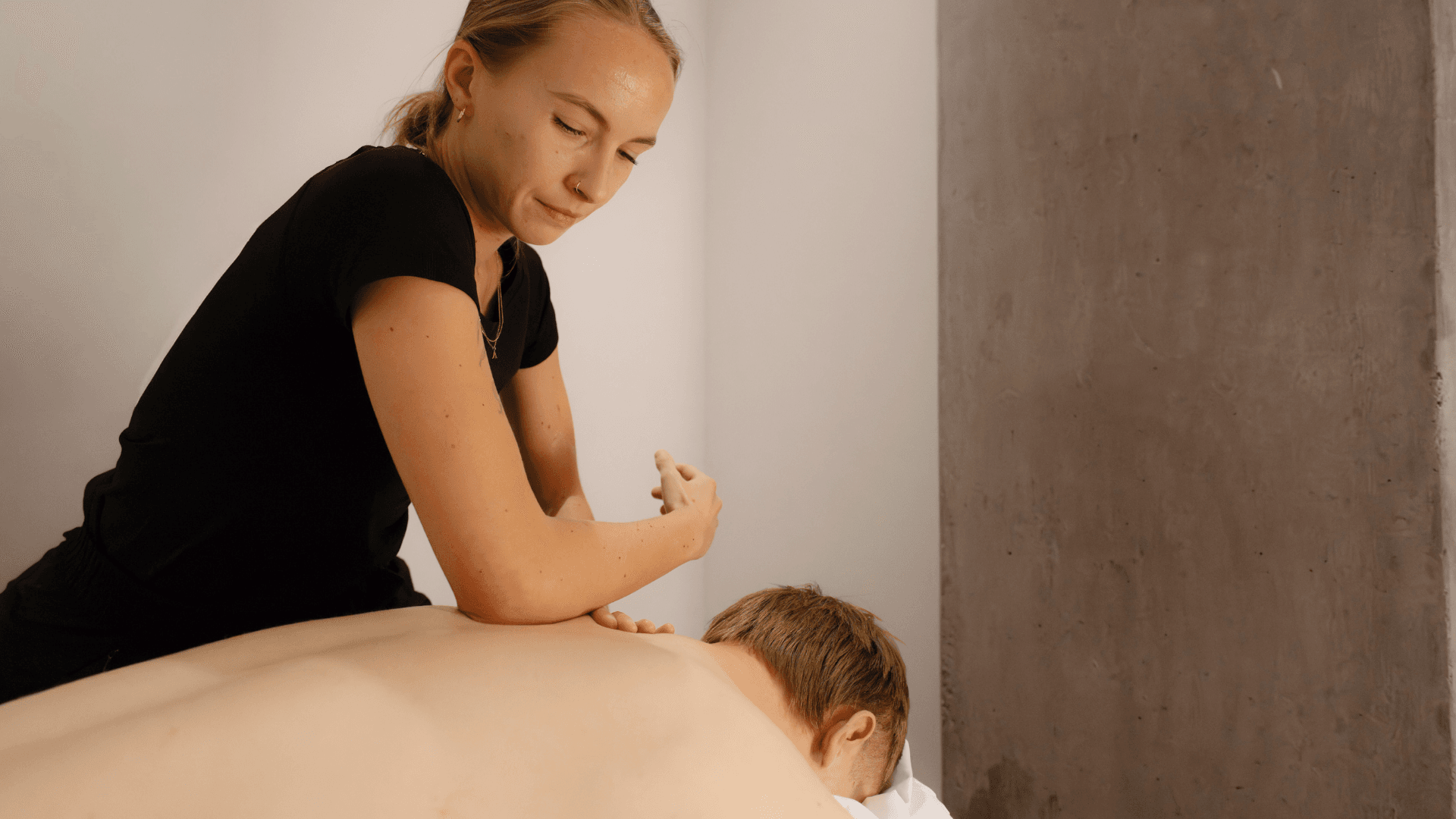
A registered massage therapist (RMT) in Victoria is a regulated healthcare professional who provides clinical care — not just relaxation massage. In British Columbia, RMTs complete extensive training and are governed by a professional college, ensuring they meet standards for safe and effective treatment.
An RMT Victoria provider works with your soft tissues, including muscles, fascia, and the surrounding systems that influence movement and pain. The goals are practical: reduce pain and protective muscle tension, improve mobility, support recovery, and help your body adapt to training, injury, or everyday stress.
The key question isn’t whether massage feels good. It’s whether RMT treatment in Victoria creates measurable change. Let’s look at where the evidence is strongest and how registered massage therapy can support your recovery.
Where the evidence for massage is strongest
Muscle soreness and recovery after exercise.
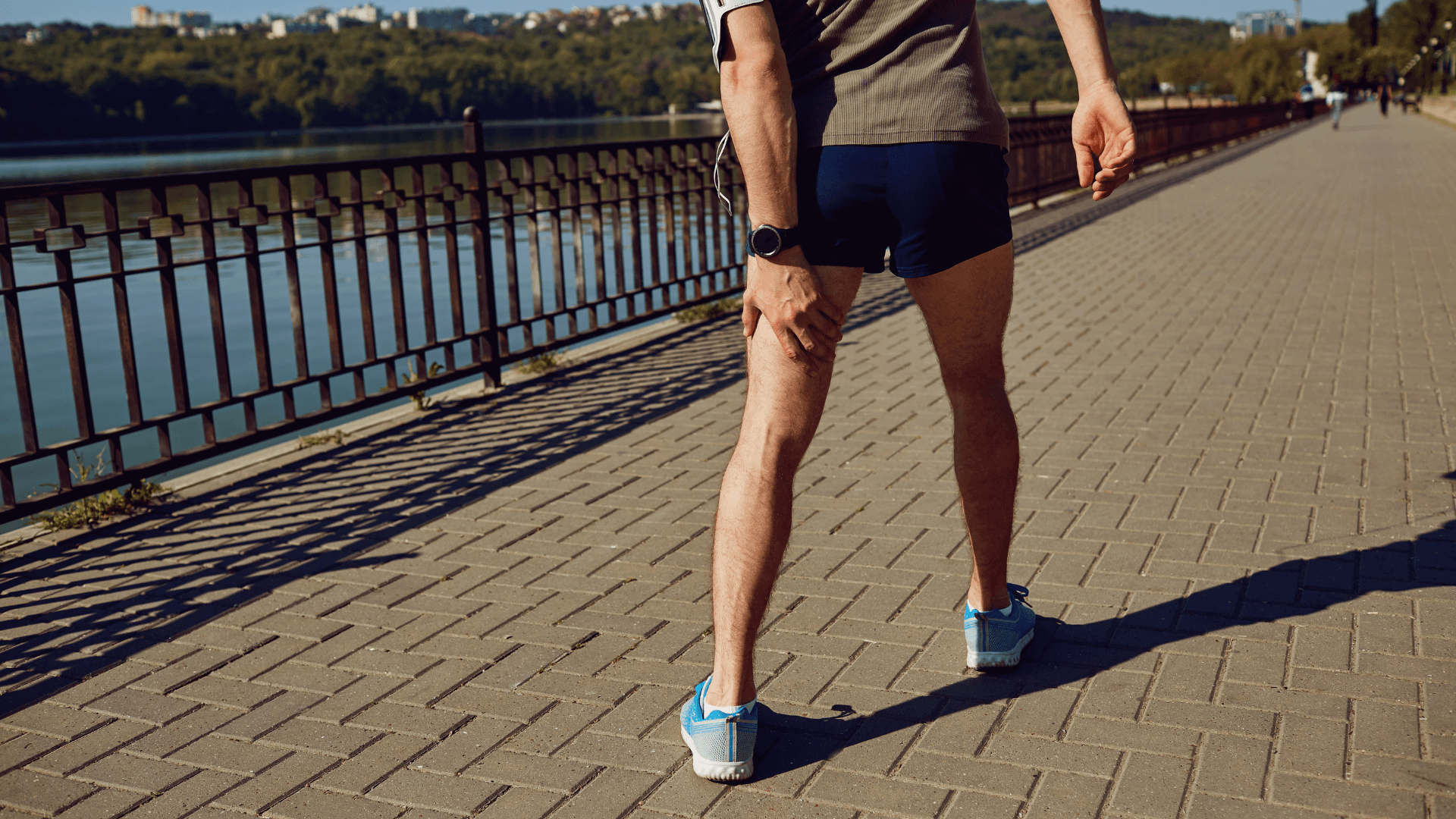
This is one of massage’s best-supported roles. If you train hard — for the Royal Victoria Marathon, in the gym, or on the trails — massage can meaningfully ease the delayed muscle soreness that follows.
A systematic review and meta-analysis pooled 11 studies and found massage significantly reduced delayed onset muscle soreness (DOMS), with the biggest improvement around 48 hours after strenuous exercise. It also lowered a blood marker of muscle damage.
Research Stat: A meta-analysis of 11 studies (504 participants) found that massage significantly reduced delayed onset muscle soreness at 24, 48, and 72 hours after strenuous exercise — with the largest reduction at 48 hours — and decreased serum creatine kinase, a marker of muscle damage. Source: Guo et al., Frontiers in Physiology, 2017. DOI: 10.3389/fphys.2017.00747.
Short-term relief for low back pain
Low back pain is one of the most common reasons people seek massage. The evidence here is real but nuanced — and we’d rather be straight with you than oversell it.
A Cochrane systematic review of 25 trials found massage may help low back pain in the short term, improving pain and function compared with inactive care. Importantly, the reviewers rated the quality of evidence as low to very low, and the long-term benefits weren’t established.
Research Stat: A Cochrane review of 25 trials (3,096 participants) found massage provided short-term improvements in pain and function for low back pain — but the evidence was judged low to very low quality, and long-term benefit was not established. Source: Furlan et al., Cochrane Database of Systematic Reviews, 2015. DOI: 10.1002/14651858.CD001929.pub3.
National guidelines reflect this. The American College of Physicians includes massage as an option for acute and subacute low back pain, while emphasising active approaches for chronic pain.
Source: Qaseem et al., Annals of Internal Medicine, 2017. DOI: 10.7326/M16-2367.
The honest summary: massage is a legitimate tool for short-term relief and recovery. What it isn’t is a standalone cure for persistent pain. That’s not a knock on massage — it’s a clue about how to use it well.
How physiotherapy and massage therapy work together at Pursuit
At Pursuit, the physiotherapist and RMT aren’t two separate appointments that never talk. They work from a shared plan, and the coordination is the point.
The physiotherapist assesses your movement, measures strength and range, prescribes and progresses your exercise program, and retests to prove it’s working. The RMT prepares the tissue — easing protective tone, improving circulation, and opening a neurological window where your body learns new movement patterns more readily.
Sequencing matters. A session of hands-on work right before targeted loading often lets you access range and control you couldn’t reach cold. That’s not a coincidence — it’s the plan.
The Integration Principle: The RMT opens the window; the physiotherapist helps you climb through it with active loading. Coordinated together, they achieve more than either does alone.
Source: Guo et al., Frontiers in Physiology, 2017. DOI: 10.3389/fphys.2017.00747.
A note on coverage: registered massage therapy is often covered by extended health plans, and we direct-bill most major insurers. If your massage relates to a motor vehicle injury, ICBC coverage depends on your specific claim and adjuster approval — it isn’t automatic — so check with our front desk first.
The Pursuit approach to massage therapy
Massage at Pursuit isn’t a generic rubdown. Like everything we do, it’s one-on-one, purposeful, and tied to your goal.
For most people, that looks like:
- A clear reason for each session — recovery, tension relief, or preparing tissue for loading
- Coordination with your physiotherapy plan, not a separate track
- Objective check-ins so we know the combined plan is moving your metrics
- Guidance you can use between visits, so progress doesn’t depend on the table alone
We start by defining your goal and measuring what matters. Massage supports the plan; your active program drives it. The destination is the same one we aim for with every patient — not just temporary relief, but fitness for life.
Realistic expectations about Massage Therapy Victoria BC
Let’s be honest about what massage can and can’t do. For soreness, tension, and short-term pain relief, it’s a strong, well-tolerated option — the DOMS evidence is genuinely good. For persistent pain, it’s a helpful part of a plan, not the whole answer.
Recovery isn’t always linear, and we won’t promise a set number of sessions or guarantee a particular outcome — the evidence doesn’t support that, and neither will we. What we do guarantee is a thorough assessment, honest communication, an evidence-based plan, and a physio-and-RMT team that works together. How you respond isn’t predetermined, and you’re an active partner in it.
Book massage therapy at Pursuit
Whether you’re chasing a training goal, carrying desk-and-shift-work tension, or working through an injury, our RMTs can help — and they’ll do it as part of a plan, not in isolation.
Pursuit Physiotherapy
📍 102B–740 Hillside Ave, Victoria, BC
🚗 Free 60-minute parking on site, and easily accessible by transit
📅 Book online: pursuitphysiotherapy.janeapp.com
📞 (250) 363-9707
✉️ info@pursuitphysiotherapy.ca
No referral needed — direct billing available to all major extended health insurers
References
- Guo J, Li L, Gong Y, Zhu R, Xu J, Zou J, Chen X. Massage Alleviates Delayed Onset Muscle Soreness after Strenuous Exercise: A Systematic Review and Meta-Analysis. Frontiers in Physiology. 2017;8:747. DOI: 10.3389/fphys.2017.00747.
- Furlan AD, Giraldo M, Baskwill A, Irvin E, Imamura M. Massage for low-back pain. Cochrane Database of Systematic Reviews. 2015;(9):CD001929. DOI: 10.1002/14651858.CD001929.pub3.
- Qaseem A, Wilt TJ, McLean RM, Forciea MA. Noninvasive Treatments for Acute, Subacute, and Chronic Low Back Pain: A Clinical Practice Guideline From the American College of Physicians. Annals of Internal Medicine. 2017;166(7):514–530. DOI: 10.7326/M16-2367.