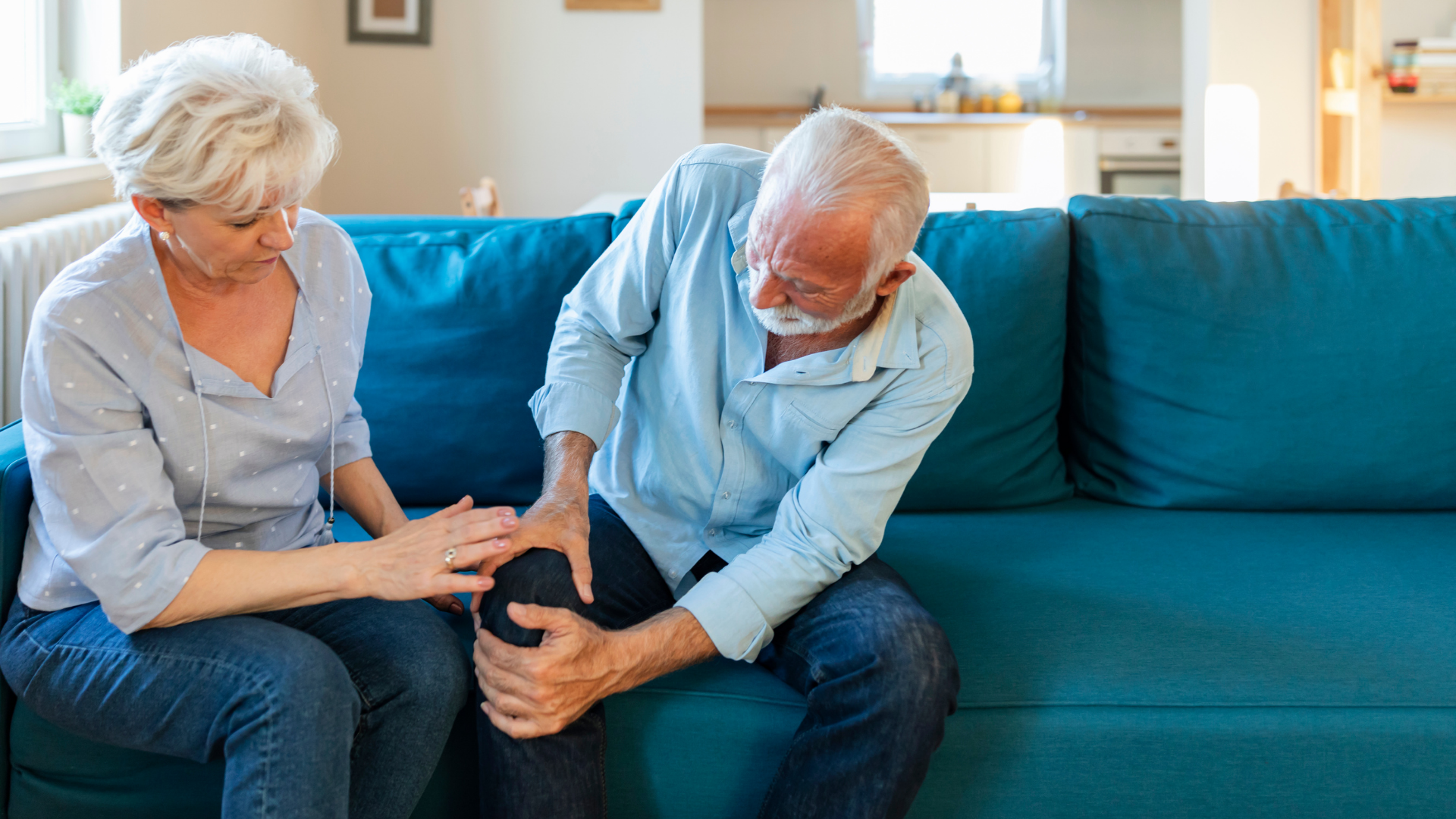
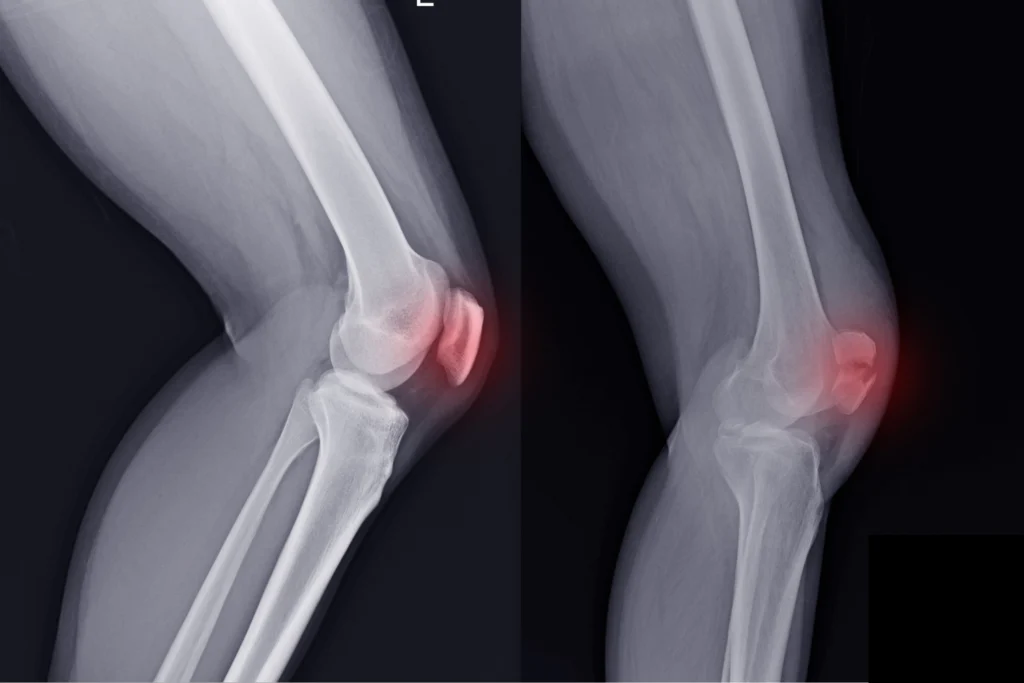
Have you ever gone for a run and noticed your knee pain flares up—and then feel fine a day or two later? It turns out, there may be a surprising reason: water inside the bone of your kneecap (patella).
At Pursuit Physiotherapy, we love digging into the science to help you better understand your body—and a fascinating study recently showed just how dynamic the patellofemoral joint (your kneecap area) really is during and after running.
The KNEECAP Study in a Nutshell
Ten active women with ongoing kneecap pain went through three phases:
-
Before a run – Baseline pain and MRI images were taken.
-
After a 40-minute run – Pain and images were taken again.
-
48 hours later – One final round of pain ratings and imaging.
The researchers used fancy MRI tech that can actually measure how much water is in your bone. That’s how they found this surprising link between water content levels and pain.
Why does your kneecap hurt after running? Science reveals it’s linked to water buildup in the bone—not damage! Learn how Victoria physiotherapists use this breakthrough to ease pain and get you back on track.
What Did They Find?
-
Pain increased significantly after running—no surprises there.
-
Water content in the kneecap bone also increased after running.
-
After 48 hours of rest, both the pain and bone water levels returned to normal.
In other words, the pain people felt after running could be explained by the increased pressure in the bones due to the increase in water levels in the knee cap. How is that possible? Read the next paragraph on why increased water content in the bone matter.
Your post-run knee pain isn’t from ‘wear and tear.’ Discover how temporary water changes in your kneecap bone cause flare-ups—and how Pursuit Physiotherapy’s rehab plans help runners in Victoria build lasting resilience.
Why Increased Water Content in the Bone Matter?
When you repeatedly load your knee, like during running, there\’s less time for the natural fluids within the bone to drain away. This will result in an increased fluid amount in your knee. Think of this fluid build up as small levels of swelling which can stimulate your nerves. Your nerves are sensitive to pressure, so when the pressure goes up, they contribute to that sharp or arching pain we call PFP.
So, What Does This Mean for Runners?
Here are 4 key takeaways:
-
Pain is real—but it doesn’t mean damage. Changes in bone fluid are temporary and reversible. Experiencing pain does not mean you are wearing out your cartilage.
-
Rest matters. Even 48 hours off can help your knee return to normal.
-
Load management is key. Too much too soon can lead to excessive pressure and discomfort.
-
Imaging tells part of the story. MRIs are getting better at detecting subtle changes—but they still need to be paired with smart clinical care.
What does the rehab look like then?
If low grade swelling is a major contributor to your pain after running, then your rehab plan should address this. Adequate rest, followed by exercises and a smart return to run program can help build the tolerance of your knees to the demands of running.
How We Help at Pursuit Physiotherapy
At Pursuit, we don’t just treat the symptoms—we work with you to understand the full picture.
Whether you’re preparing for a race or just trying to get back to pain-free running or walking, we’ll help you:
-
Understand the root cause of your knee pain
-
Use active recovery, pacing, and education to reduce flare-ups
-
Gradually build up load tolerance in your knees
References
Ho, K., Hu, H. H., Colletti, P. M., & Powers, C. M. (2014). Running‐induced patellofemoral pain fluctuates with changes in patella water content. European Journal of Sport Science, 14(6), 628–634. https://doi.org/10.1080/17461391.2013.862872
📍 Find Us: Andrew Sheret Building, Hillside Ave (near Long & McQuade).
📞 Book Now: Call 250-3639707