Recovering after a stroke can feel overwhelming, but the right support makes a meaningful difference. Physiotherapy helps stroke patients by focusing on rebuilding strength, coordination, and confidence so that daily life becomes manageable again. For individuals and families exploring physiotherapy in Victoria, it helps to understand how structured care supports healing and long-term progress.
Stroke rehabilitation isn’t a one-size-fits-all process. Each recovery plan is based on the type of stroke, the area of the brain affected, and personal goals. With steady guidance and targeted treatment, many people regain movement, improve balance, and make progress toward greater independence.
How Physiotherapy in Victoria, BC, Makes a Difference
Whether recovering from injury, managing chronic pain, or improving mobility and strength, physiotherapy offers valuable support for many conditions. Professional physiotherapists create safe, personalized treatment plans tailored to each individual’s needs and goals.
From sports injuries and post-surgical rehabilitation to arthritis management and postural correction, physiotherapy in Victoria, BC, helps people move and feel better. Trained therapists use evidence-based techniques, manual therapy, and exercise programs to address the underlying reasons for discomfort and dysfunction.
This collaborative approach ensures that patients understand their condition and play an active role in their recovery, supporting better outcomes and improved quality of life.
Understanding a Stroke and Its Impact
A stroke happens when blood flow to the brain is interrupted, causing brain cells to die from lack of oxygen. Depending on its location and severity, a stroke can affect speech, memory, vision, coordination, and muscle control.
A stroke can create various challenges, including difficulty moving one side of the body, balance problems, trouble walking, and decreased coordination. Even simple tasks may suddenly require assistance, which is why early stroke rehabilitation is so important.
The brain can adapt, though, via a process known as neuroplasticity. Through repetition and guided movement, healthy parts of the brain can learn to take over lost functions. Physiotherapy plays a key role in encouraging that process and understanding a stroke’s impact.
How Physiotherapy Helps Stroke Patients
Physiotherapy rehabilitation for stroke is designed to improve movement patterns and rebuild physical abilities. Treatment often begins in the hospital and continues in outpatient clinics once a person returns home.
Physiotherapists assess strength, range of motion, coordination, posture, and walking ability to develop a personalized physiotherapy treatment plan. Each session builds on previous progress. Small gains add up over time. Repetition is essential because it reinforces the formation of new neural pathways in the brain.
As mobility improves, therapy often shifts toward increasing endurance and promoting functional independence. The ultimate goal is to help each person participate fully in home, work, and community life.
Rebuilding Strength, Motor Function, and Balance
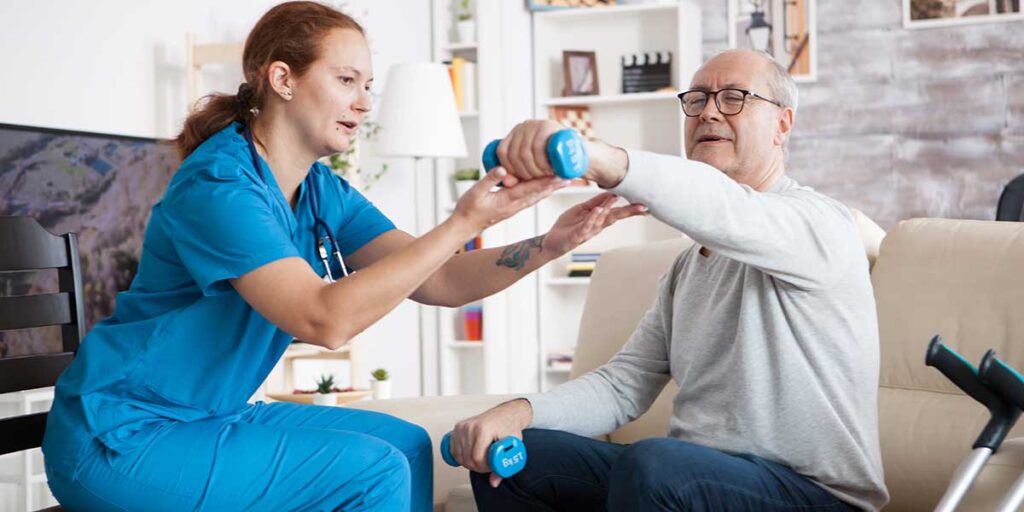
One of the biggest challenges after a stroke is motor function recovery. Many patients experience weakness or paralysis on one side of their body, making everyday tasks feel impossible. Physiotherapists use targeted exercises to retrain proper muscle activation and coordination.
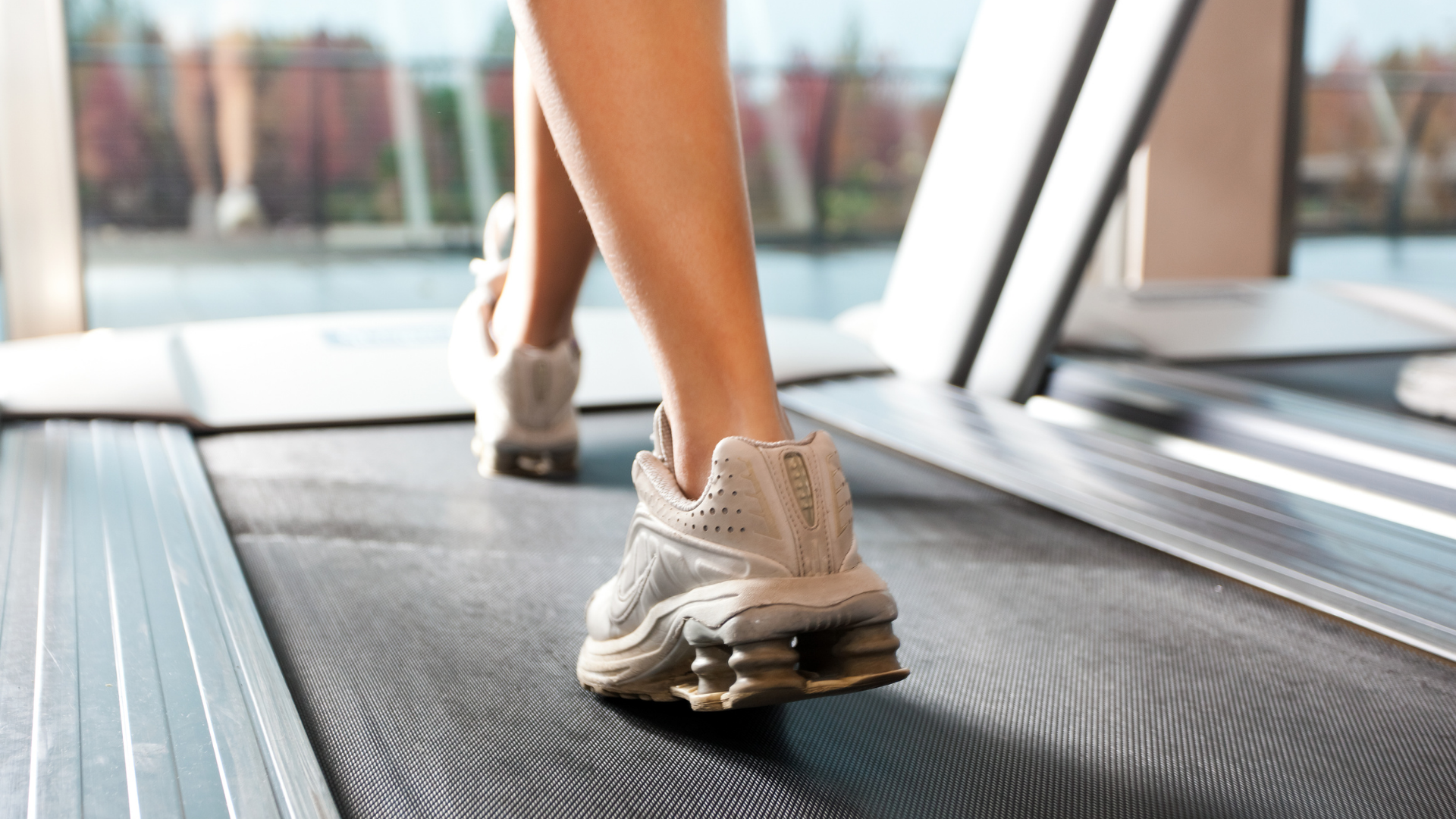
Mobility and balance training are also important because stroke survivors are at a higher risk of falling. Exercises include standing weight shifts, stepping drills, or controlled walking patterns. Over time, balance reactions become quicker and more reliable.
Muscle-strengthening exercises help restore joint stability and improve posture. This not only supports safer movement but also reduces strain and discomfort.
Progress may feel slow at times. However, consistent participation in physiotherapy rehabilitation for stroke often leads to measurable improvements in walking speed, endurance, and overall function.
Supporting Long-Term Independence
The ultimate goal of physiotherapy rehabilitation for stroke is to help patients achieve functional independence. This means being able to perform daily activities with as little assistance as possible.
Physiotherapists work on practical skills like getting dressed, preparing meals, and moving around the home safely. They also teach family members how to provide proper support and create safe home environments.
Education is another key part of physiotherapy treatment. Patients and caregivers learn safe transfer techniques, home exercise programs, and strategies to conserve energy. This support encourages independence outside the clinic.
For those experiencing dizziness or spatial awareness issues after a stroke, vestibular exercises may also be necessary. Understanding what to expect during treatment, including a vestibular physiotherapy expectation, can reduce anxiety and improve participation.
Take the Next Step Toward Recovery
Healing after a stroke takes time, patience, and professional guidance. With structured stroke rehabilitation and consistent effort, meaningful progress is possible. Whether the goal is to walk independently, climb stairs with confidence, or return to favourite activities, physiotherapy rehabilitation for stroke provides a clear path forward.
For those in Victoria seeking experienced care, Pursuit Physiotherapy offers individualized treatment plans to support safe, steady recovery. To book an assessment, call Pursuit Physiotherapy at (250) 363-9707.