As a leading running-focused physiotherapy clinic in Victoria, we combine advanced running assessment techniques with evidence-based rehabilitation to help runners of all levels stay injury-free and run more efficiently. A comprehensive running assessment identifies mechanical contributors to pain and performance blocks, enabling a targeted, progressive plan. Here’s what makes our approach distinct, who it’s for, common issues we address, the benefits, and exactly what to expect during the process.
Who is a Running Assessment For – Victoria runners and beyond
-
New or returning runners in Victoria seeking a safe, structured start or rebuild.
-
Runners with overuse injuries common in the region
-
Patellofemoral pain AKA runner’s knee
-
IT band syndrome
-
Achilles tendinopathy
-
Plantar fasciitis
-
Shin splints AKA Medial Tibial Stress Syndrome
-
Lateral hip pain
-
Lower-back pain
-
Bone stress injuries or stress fractures
-
-
Competitive runners aiming to optimize gait efficiency, cadence, and economy for faster race times and reduced fatigue.
-
Runners with recurring niggles or plateauing performance who haven’t fully resolved contributing factors.
-
Those training for local events or races (half-marathon, marathon, 10K, parkrun) who want a race-ready gait and loading analysis to minimize injury risk.
Common Running-Related Issues a Running Assessment Addresses
-
Pain with running: anterior knee pain, patellofemoral pain, IT band syndrome, Achilles tendinopathy, plantar fasciitis, shin splints.
-
Biomechanical inefficiencies: asymmetries, excessive knee valgus/varus, overstriding, pelvic drop, limited ankle dorsiflexion.
-
Load management and progression: rapid mileage increases, intensity spikes, inadequate recovery.
-
Weakness and endurance deficits: hip, gluteal, calf, and core weakness impacting form and endurance.
-
Fatigue-related form breakdown: cadence changes, stride length variability, trunk instability, and excessive arm swing as fatigue rises.
-
Injury prevention planning: identifying high-risk movement patterns to prevent recurrence.
The Benefits of a Running Assessment at a Victoria Physiotherapy Clinic
-
Expert, personalized diagnosis: precise identification of mechanical and loading factors contributing to pain or inefficiency.
-
Evidence-based rehabilitation plan: manual therapy, targeted strengthening, and running-specific return-to-run progression.
-
Proactive injury prevention: actionable strategies to reduce future overuse injuries.
-
Performance enhancement: improved running economy, stable mechanics, and sustainable progress toward race goals.
-
Clear milestones and accountability: structured progression with measurable outcomes and regular reassessments.
What Happens During a Running Assessment: The Step-by-Step Process
Note: Although we tailor every assessment to you, this outline reflects our standard, evidence-backed flow used in our Victoria clinic.
1. Pre-Assessment Intake and Goal Setting (10–15 minutes)
-
Gather pain history, recent training load, weekly mileage, and running surfaces.
-
Define short- and long-term goals (e.g., pain-free 10K, faster 5K, marathon training plan).
-
Review medical history, prior injuries, footwear, and orthotics.
2. Baseline Observations and Movement Screen (15–20 minutes)
-
Posture and movement analysis at rest and during loaded tasks.
-
Functional screening:
-
Strength testing of relevant muscle groups- We use a variety of precise instruments to capture your strength profile, no guessing involved!
-
Quality of movement of functional running-relevant tests:
-
Basic movements: squats, lunges, hip hinge, single-leg stance, and hopping
-
Advanced: single-leg squats, step-downs, single-leg RDL, dynamic single-leg balance
-
-
3. Run-Specific Evaluation (10 minutes)
-
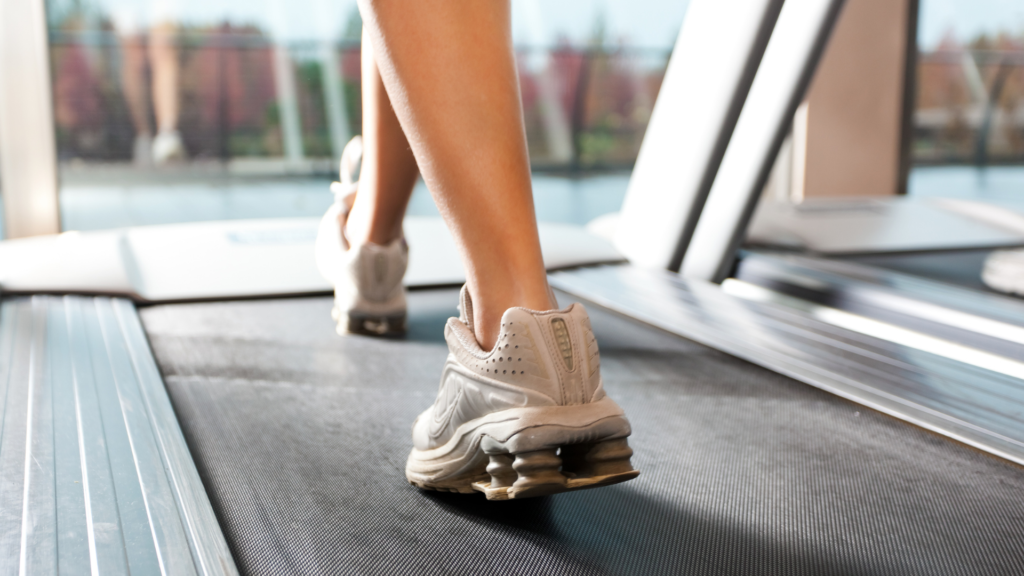
Treadmill or return-to-run assessment to observe mechanics in real-time.
-
Assess: foot strike pattern, ankle and knee alignment, hip control, trunk stability, pelvic tilt, lateral sway, knee adduction/abduction, and overall symmetry.
-
Load response: selective speed, cadence, and incline trials with close monitoring of pain, fatigue, and form breakdown.
4. Pain Reproduction and Safety Check (5–10 minutes)
-
If pain is present, reproduce symptoms in a controlled manner to understand the cause without exacerbation.
-
Establish safe loading thresholds for progression and determine if imaging or medical referral is warranted.
5. Diagnosis, Plan, and Education (10 minutes)
-
Deliver a clear, jargon-free explanation of findings.
-
Present a structured rehab and running program aligned with goals and current capacity.
-
Set realistic expectations: short-term symptom relief, medium-term performance gains, and long-term maintenance.
-
Discuss footwear, surfaces, training load management, warm-ups, and recovery strategies.
6. Home Exercise and Progression Plan
-
Custom exercises targeting mobility, stability, and strength
-
Running-specific progression plan: gradual mileage increases, pace progression, cadence strategies, form cues.
-
Cross-training and recovery guidance tailored to your schedule.
7. Follow-Up and Reassessment
-
Regular updates to monitor pain, load tolerance, and running metrics.
-
Reassess gait mechanics and strength to refine the plan.
-
Objective milestones (e.g., pain-free 30 minutes of running, target cadence, strength benchmarks, race day speed).
Key Components We Emphasize in Our Running Assessments
-
Individualized approach: customized to your anatomy, history, and goals.
-
Evidence-based strategies: hip stability, calf endurance, ankle mobility, and progressive loading with safe return-to-run protocols.
-
Education and self-management: practical strategies you can apply between sessions.
-
Practical integration: align assessment findings with your training schedule, race calendar, and daily life in Victoria and beyond.
-
Athlete-focused programming: we will keep you moving and training as much as possible, we never tell athletes to rest entirely, rather to modify as needed to keep rehab progressing forward.
Common Tools and Techniques We Use
-
Dynamometers to measure functional strength with data we can compare over your rehab journey
-
Video gait analysis for visual feedback and cueing improvements on our treadmill.
-
Manual therapy to address soft tissue limitaitons and joint mobility when indicated.
-
Targeted exercises: exercises specific to your concerns and proven to be relevant to our findings
-
Run-focused warm-ups and cooldowns with dynamic mobility and activation sequences.
-
Load management strategies: microcycles, progressive loading, and deload plans around key races.
What to Bring and How to Prepare
-
Comfortable athletic wear suitable for movement and short trials.
-
Current footwear (both street shoes and runners) and any orthotics you use.
-
List of current injuries, pain locations, and training goals.
-
Recent training logs or a brief summary of weekly mileage and workouts (we love looking at your Strava data!).
How Often Should You Have a Running Assessment?
-
New runners or those returning from injury: an initial assessment to establish baseline and safe progression.
-
Pain or injury management: targeted assessment to identify causes and guide rehab.
-
Race preparation blocks (e.g., 8–12 weeks out): periodic reassessments to track progress and adjust training.
-
Ongoing performance optimization: annual or semi-annual assessments to refresh mechanics and loading strategies.
Why Choose Our Victoria Physiotherapy Clinic for a Running Assessment
-
Runners-first specialization: clinicians with deep experience in common running injuries and performance optimization. Many of our clinicians (Sara, Rob, Jared and Dana) have personal experience in marathons and understand the nuances of the sport.
-
Holistic, evidence-based care: biomechanics, strength, mobility, and training load—beyond symptom management.
-
Actionable results: video cues, practical home program, and clear milestones.
-
Local expertise with broader evidence: informed by the latest research and tailored to Victoria runners’ realities.
Frequently Asked Questions
Q: Do I need a doctor’s referral?
A: No. In most cases you can book directly with us. If we identify symptoms suggesting a broader medical issue, we’ll advise appropriate referrals.
Q: How long does a running assessment take?
A: Typically 45minutes, depending on individual needs and goals.
Q: Will I run during the assessment?
A: Yes, if appropriate for your condition. We’ll adjust the session to ensure safety while gathering meaningful data.
Q: How soon will I see results?
A: Many runners notice symptom relief and improved running comfort within weeks of starting a targeted program. Long-term improvements in speed and efficiency come with progressive loading and consistency.
Next Steps
Ready to optimize your running, reduce pain, and boost performance? Book a running assessment at our Victoria clinic. We’ll tailor the session to your goals and current condition, helping you stay consistent, efficient, and injury-free.