
Knee Pain
Knee pain is a common condition that can affect people of all ages and activity levels. It may result from acute injuries, repetitive strain, overuse, biomechanical issues, or degenerative changes over time. Knee pain can present as aching, sharp pain, stiffness, swelling, instability, or limited movement—often interfering with walking, running, work, exercise, and daily activities.
Conservative, non-invasive treatments such as physiotherapy, chiropractic care, and massage therapy are highly effective in reducing knee pain, improving mobility, and addressing the underlying cause.
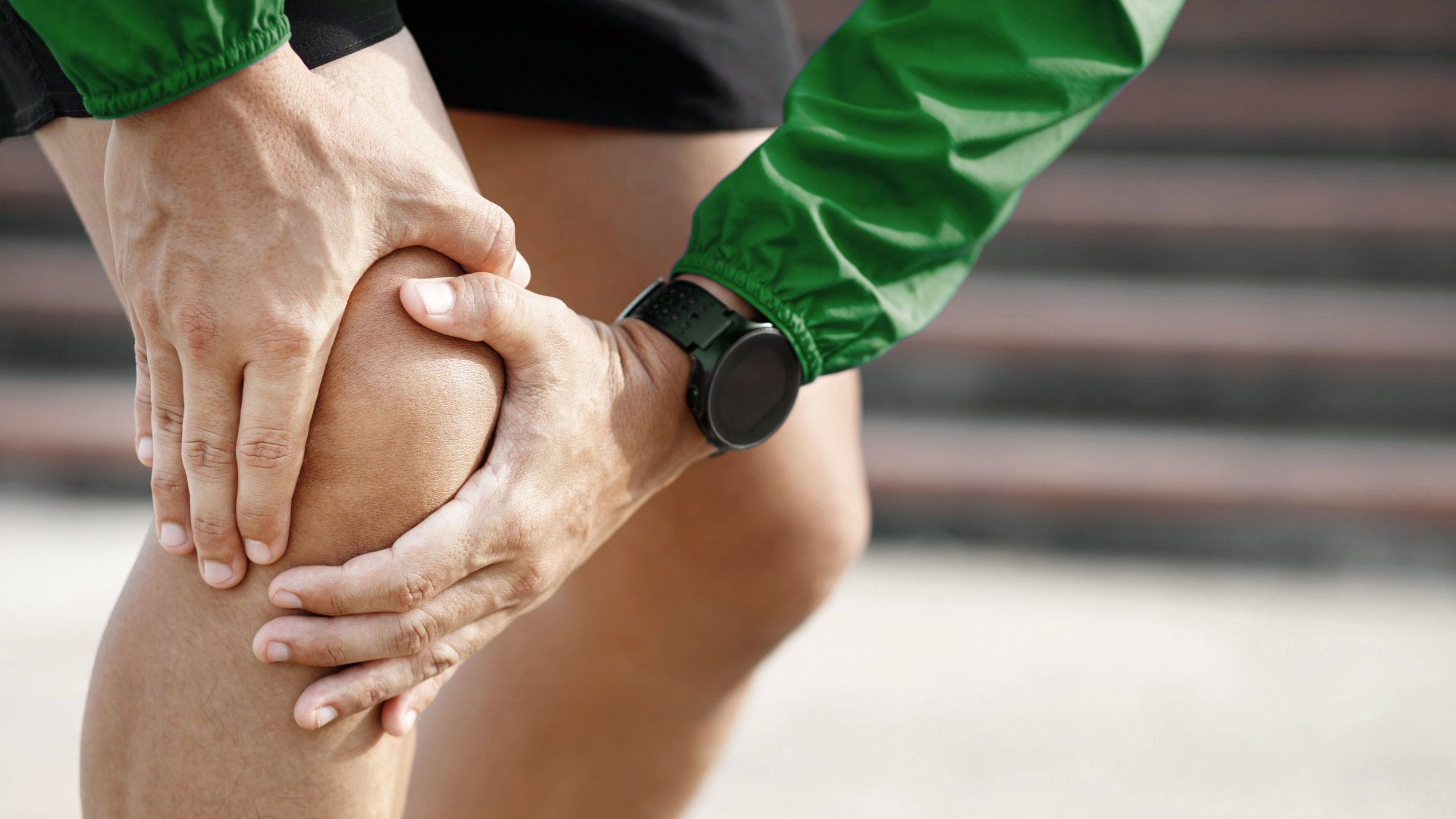
What Is Knee Pain?
Knee pain refers to discomfort, dysfunction, or reduced movement involving the knee joint or the surrounding muscles, ligaments, tendons, cartilage, and nerves. As a major weight-bearing joint, the knee is particularly vulnerable to injury, overload, and wear and tear.
Pain may be felt:
- At the front, back, or sides of the knee
- Deep within the knee joint
- Around or below the kneecap
- Radiating into the thigh or lower leg
Knee pain may develop suddenly after an injury or gradually over time due to overuse, poor movement mechanics, or degenerative conditions. It commonly affects runners, athletes, manual workers, office workers, and older adults.
Knee pain may be:
- Acute: Sudden onset following injury or trauma
- Chronic: Lasting longer than 3 months
- Mechanical: Related to movement, posture, or load
- Degenerative: Associated with joint or cartilage wear
Common Knee Pain Symptoms
Symptoms vary depending on the cause and severity and may include:
- Pain or tenderness around the knee joint
- Swelling, inflammation, or warmth
- Stiffness or reduced range of motion
- Pain during walking, running, squatting, or stair use
- Instability or a feeling of the knee “giving way”
- Pain after prolonged sitting or activity
Causes of Knee Pain
Knee pain often results from a combination of physical, biomechanical, and lifestyle factors, including:
- Acute injuries (sports injuries, falls, accidents)
- Ligament sprains or tears
- Meniscus or cartilage injuries
- Repetitive strain or overuse (running, jumping, kneeling)
- Poor movement mechanics or alignment
- Patellar tracking or kneecap irritation
Our team focuses on identifying the underlying cause of your TMJ symptoms to ensure treatment is effective and long-lasting.
Common Knee Pain Diagnoses
Knee pain can stem from several specific conditions affecting the joint, cartilage, ligaments, and surrounding tissues. Some of the most commonly searched and diagnosed knee conditions include:
Knee Osteoarthritis
A degenerative joint condition involving cartilage wear, leading to pain, stiffness, swelling, and reduced mobility.
Meniscus Tear
Damage to the cartilage that cushions the knee joint, often causing pain, swelling, locking, or catching sensations.
ACL Injury (Anterior Cruciate Ligament Tear)
A common sports injury causing instability, swelling, and difficulty with pivoting or sudden direction changes.
MCL or LCL Sprain
Ligament injuries on the inside or outside of the knee, often caused by sudden twisting or impact.
Patellofemoral Pain Syndrome (Runner’s Knee)
Pain around or behind the kneecap, commonly aggravated by running, squatting, stair climbing, or prolonged sitting.
Patellar Tendonitis (Jumper’s Knee)
Overuse injury affecting the tendon below the kneecap, common in jumping and high-impact sports.
Knee Bursitis
Inflammation of the bursa causing swelling, tenderness, and pain, often from prolonged kneeling or overuse.
Referred Pain from the Hip or Lower Back
Knee pain may originate from hip or lumbar spine dysfunction, even when the knee joint itself appears normal.
A thorough assessment is essential to accurately diagnose the cause of knee pain and determine the most effective treatment approach.
Knee Pain Treatment
Treatment focuses on reducing pain, restoring movement and strength, and addressing the root cause—not just the symptoms. Our integrated, team-based approach supports both short-term relief and long-term recovery.
Physiotherapy plays a key role in TMJ recovery and may include:
- Comprehensive knee and movement assessment
- Manual therapy to reduce pain and swelling
- Individualized strengthening and mobility exercises
- Improving knee stability and control
- Gait, running, and movement retraining
- Education on load management and injury prevention
Chiropractic care can help address knee pain with:
- Joint and biomechanical assessment
- Knee, hip, and spine mobilization or manipulation
- Improving joint mechanics and alignment
- Active Release Techniques (ART) and soft tissue therapy
- Corrective exercises and ergonomic guidance
Massage therapy supports recovery by targeting soft tissue restrictions and muscle tension:
- Reduction of muscle tension and trigger points
- Improved circulation and tissue recovery
- Support for surrounding muscles (quadriceps, hamstrings, calves)
- Pain relief and relaxation
- Complementary care alongside physiotherapy or chiropractic treatment
When Should You Seek Treatment?
You should consider seeking professional care if you experience:
- Knee pain lasting longer than 1–2 weeks
- Pain that limits walking, work, or exercise
- Swelling that does not resolve
- Knee instability or repeated “giving way”
- Pain following a fall, accident, or sports injury
- Worsening or recurring symptoms
Early treatment can help prevent knee pain from becoming chronic or leading to long-term joint damage.
Frequently asked questions
Can knee pain go away on its own?
Some mild cases may improve with rest, but persistent or recurring knee pain often requires professional care to address the underlying cause.
Is treatment painful?
Treatment is always tailored to your comfort level. Some techniques may cause temporary soreness, but care is adjusted to ensure safety and effectiveness.
Do I need an X-ray or MRI?
Imaging is not always necessary. Your clinician will determine if imaging is appropriate based on your symptoms and assessment.
Can I stay active during treatment?
In most cases, yes. We guide safe activity and modify movements to support healing without aggravating symptoms.